
High-Quality PTFE Nonwoven Fabric Suppliers, Company
Product Description
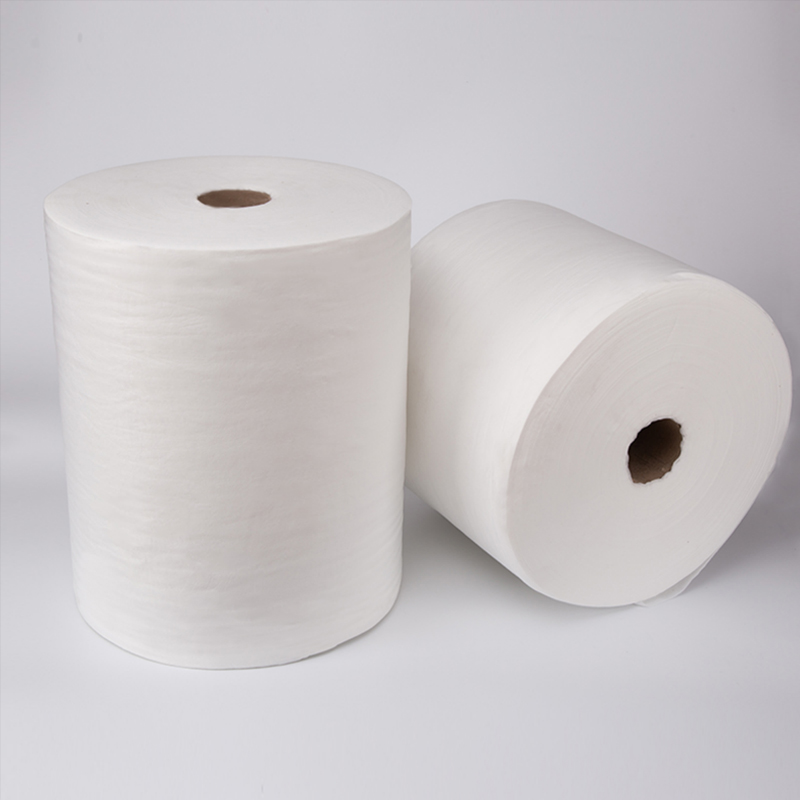
Changshu Yongdeli Spunlaced Nonwoven Fabric Co., Ltd. specializes in the research, development, and production of high-performance PTFE (polytetrafluoroethylene) nonwoven fabrics. Utilizing pure PTFE resin as raw material, PTFE fibers are manufactured via a specialized spinning process, followed by high-pressure spunlace flexible entanglement technology to engineer nonwoven fabrics optimized for extreme environments requiring extreme corrosion resistance, ultra-high temperature resilience, and superior cleanliness. Below is an overview of the core features and primary application sectors demonstrating the unique performance of this advanced material.
I. Core Features of PTFE Non-woven Fabric: The Benchmark for Extreme Environments
Relying on the intrinsic advantages of PTFE and precision spunlace processing, the fabric delivers three vital capabilities, overcoming conventional organic and inorganic fiber limitations in aggressive environments:
- Superior Chemical Inertness: Unlike aramid or basalt, PTFE exhibits no reaction with virtually all chemical media (including aqua regia, concentrated nitric acid, hydrofluoric acid, and strong oxidizers). After immersion testing for 100 days, the breaking strength loss rate remains ≤1%. Its operating lifespan exceeds 10 years in chemical, electroplating, and pharmaceutical settings—5 to 8 times that of traditional materials.
- Broad Operational Temperature: Performs reliably from -200°C to 260°C continuously, with short-term heat tolerance up to 300°C. Spunlace reinforcement maintains original thermal properties, preventing high-temperature melting typical in polyesters or low-temperature cracking in inorganic fibers.
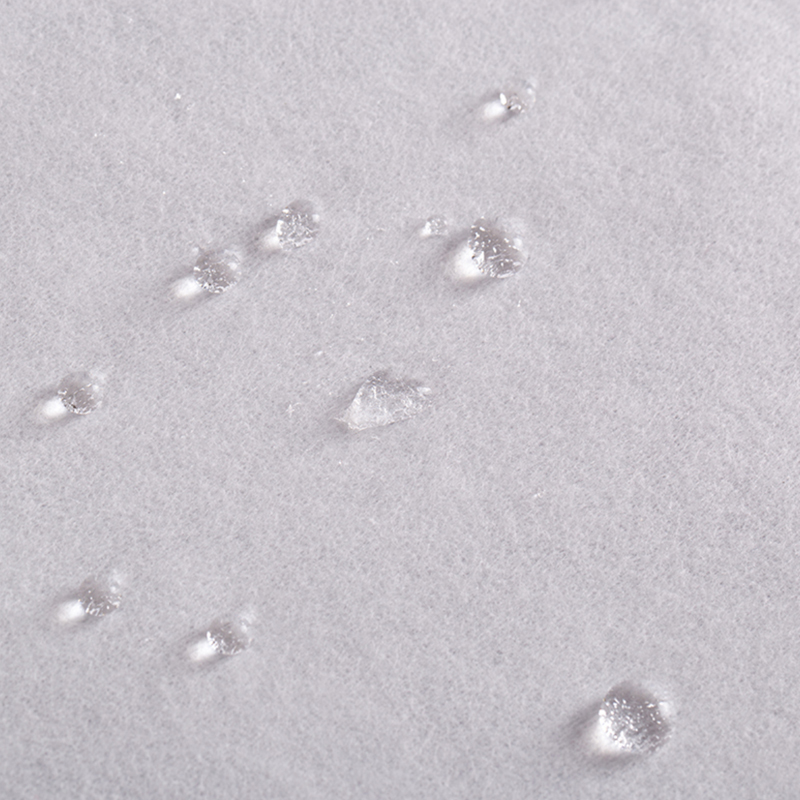
- Low Surface Energy: With a surface free energy of just 18mN/m, it prevents adhesion from oil stains, resins, and viscous liquids. Contaminants wipe clean easily, resolving cleanability issues in industrial printing and food manufacturing.
- Minimal Friction Coefficient: Features a dynamic friction coefficient of approximately 0.04—the lowest among solid materials. Offers over 10 times the wear resistance of nylon or polyurethane in continuous friction assemblies like conveyor systems and seals.
- Pure Formulation: Contains zero plasticizers or stabilizers. Releases no migrating compounds under pressure/temperature and creates zero lint or fiber loss. Meets FDA food contact protocols and GMP cleanliness guidelines.
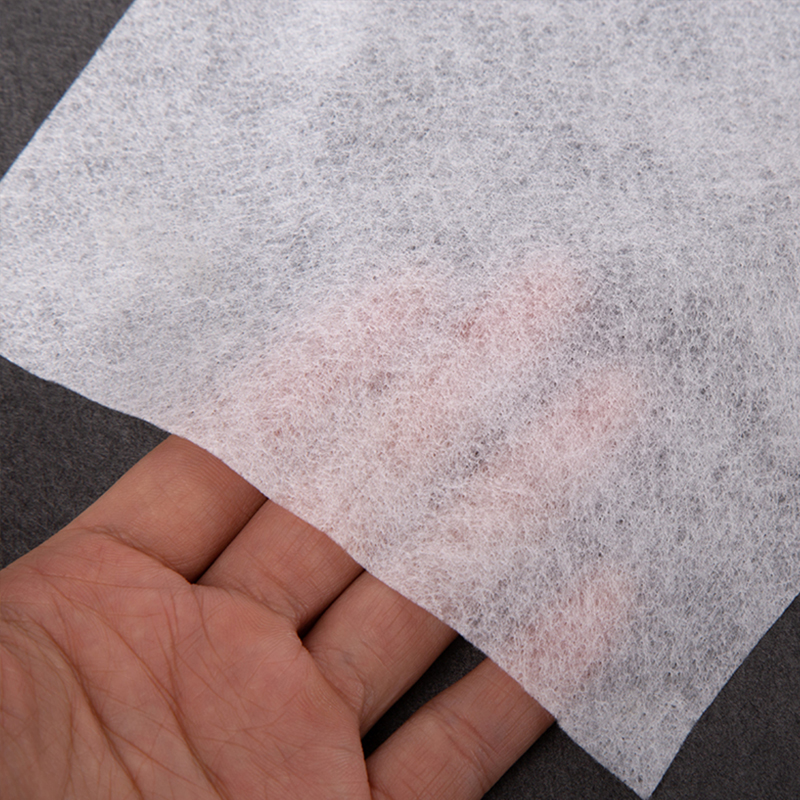
- Spunlace Process Flexibility: Water-jet entanglement preserves base flexibility while preventing fiber fracture. Soft and fold-resilient, the fabric can be converted, sewn, or heat-sealed into custom filter bags or gaskets, eliminating the brittle limits of rigid PTFE sheets.
II. Main Application Fields of PTFE Non-woven Fabric
Engineered for mission-critical operations, PTFE nonwoven fabric provides performance-driven solutions across several high-specification sectors:
- Corrosive Liquid Filtration: Used in electroplating effluent and pharmaceutical solvent filtration. Provides filtration accuracy down to 0.1μm without retaining active chemical constituents, lasting over 20 times longer than polypropylene equivalents.
- Protective Linings & Barrier Covers: Adheres inside reactors or storage tanks to prevent chemical degradation. The non-stick nature accelerates tank cleaning and prolongs core equipment longevity by 5 to 8 years.
- Cleanroom Applications: Acts as zero-lint wiping media and wafer processing screens. Resistant to isopropyl alcohol, acetone, and standard solvents, satisfying Class 10 cleanroom criteria.
- High-Temperature Insulation: Functions as insulation barriers and lithium-ion battery tab cloth. Resists electrolyte decay with dielectric strength ≥20kV/mm at continuous 200°C conditions.
- Food Processing Lines: Non-stick liners for commercial baking and confectionery handling. Resists resinous build-up, simplifies hygiene maintenance, and operates under strict FDA direct-contact compliance.
- Medical Grade Sterilization: High-integrity wraps for implantable devices and surgical assemblies. Resists continuous 134°C autoclave steam cycles without structural deterioration or toxin shedding.
- High-Performance Gaskets: Engine gaskets and fluid valves handling temperatures up to 260°C and hydrocarbon fuels, providing triple the functional longevity of standard elastomeric packings.
- Hazmat & Thermal Enclosures: Outer containment layer for chemical defense suits. Delivers chemical permeation rates <0.1μg/(cm²·h) against hazardous liquids and intense radiant heat.
About Yongdeli: Professional Manufacturer of PTFE Non-Woven Fabric
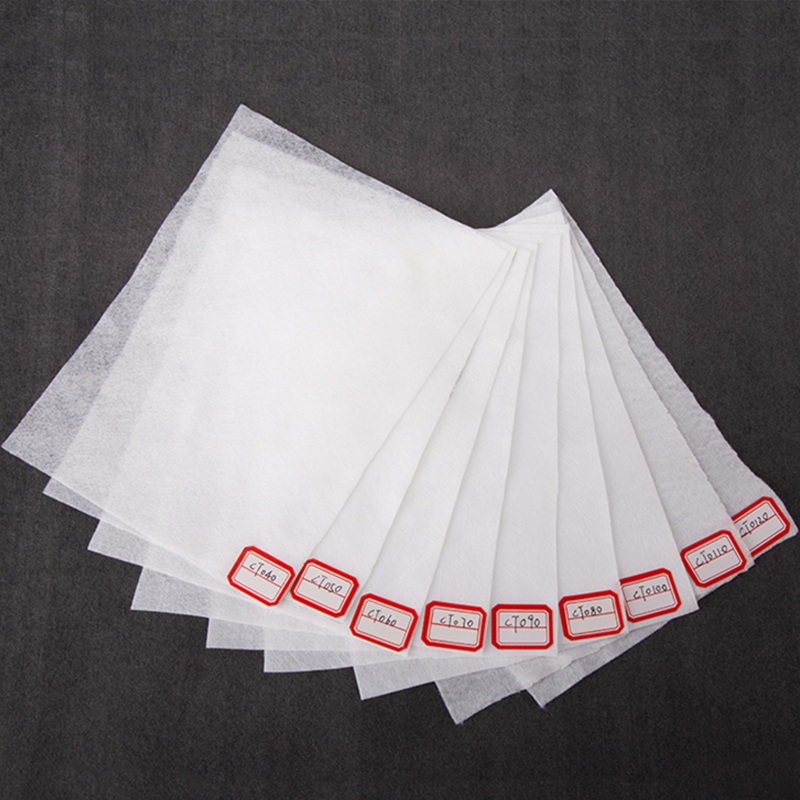
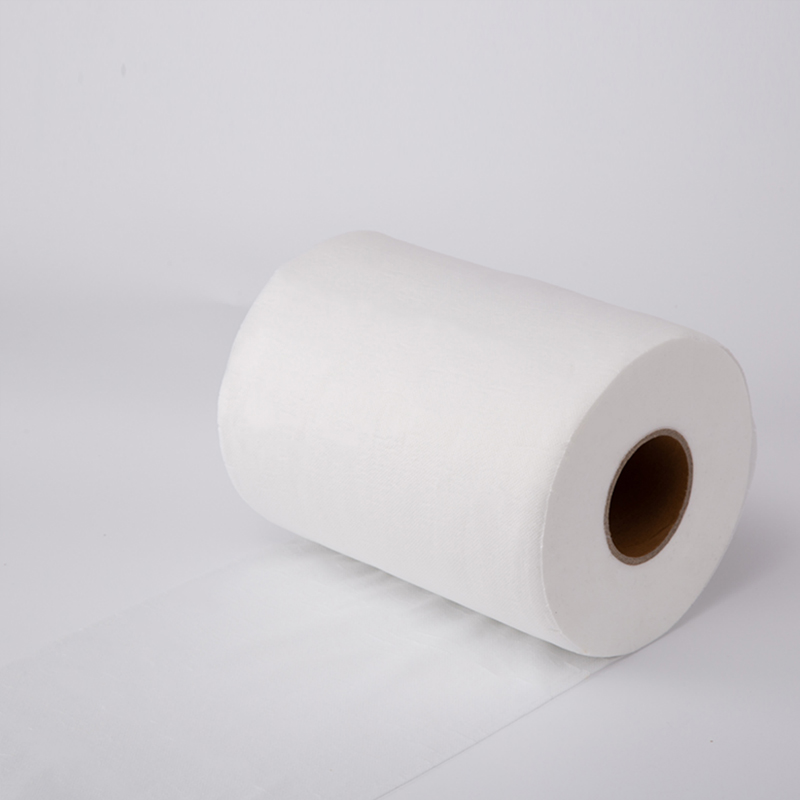
Changshu Yongdeli Spunlace Nonwoven Fabric Co., Ltd. operates fully integrated manufacturing facilities handling PTFE fiber spinning through high-pressure spunlace processing. The company offers custom weights spanning 50–300g/㎡ and scalable roll widths from 0.2–3.2m.
Enhanced post-processing capabilities include proprietary functional coatings (such as anti-radiation treatments) and multi-layer composites (including glass fiber reinforcement) compliant with global quality specifications.
Inquiries: Contact our technical team for custom configurations, material performance data, or sample requests.









