
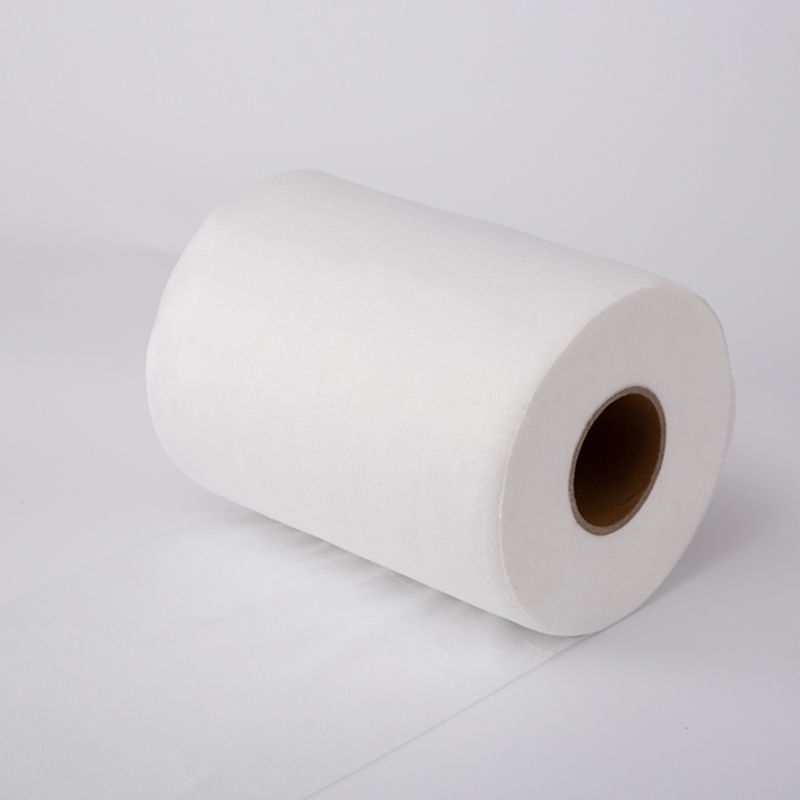
China Recycled Polyester Fiber Spunlace Nonwoven Fabric Products Factory, Factories
Product Description
I. Spunlace Nonwoven Fabric Production Process
The core of recycled polyester fiber spunlace nonwoven fabric lies in the combination of recycled raw material processing and spunlace technology to achieve a balance between "environmental friendliness and performance". Changshu Yongdeli Spunlaced Nonwoven Fabric Co., Ltd. ensures the compliance, stability, and reliability of each batch of products through refined process control. The specific process is as follows:
According to the performance requirements of the product (such as strength, softness, breathability), scientifically adjust the ratio of recycled polyester and recycled polypropylene (the conventional ratio is 6:4 to 8:2, with recycled polyester enhancing strength and recycled polypropylene enhancing softness), and add a small amount of recycled viscose fiber (to improve skin contact). The mixing process uses a dual-axis blending machine, ensuring uniform distribution of fibers through variable frequency stirring to avoid fiber agglomeration and guarantee the consistency of web formation.
The mixed fibers enter a high-precision combing machine, considering the shorter length and slightly lower strength of recycled fibers, using low-damage needle fabric and low-speed combing parameters (the combing speed is reduced by 10%-15% compared to original fibers), reducing fiber breakage; at the same time, adjusting the roller spacing to ensure straightness and uniformity of fibers, with the thickness deviation controlled within ±2.5%, providing a stable substrate for subsequent spunlace reinforcement.
Adopting "multi-stage progressive spunlace" technology to balance the strength of recycled fibers and the stability of the fabric surface:
The wet non-woven fabric after spunlace reinforcement is first sent to the vacuum dehydration equipment (dehydration rate 75%-85%), during the dehydration process, the wastewater is filtered through the company's self-built water recycling system and reused, increasing water resource utilization by 30%; then it enters the hot air drying equipment, using heat recovery technology (drying temperature 80-110℃, 10℃ lower than the conventional process), reducing energy consumption while avoiding the aging of regenerated fibers due to high temperature, and the final product moisture content is controlled within 5%.
According to customer requirements, post-treatment includes: hydrophilic treatment (for hygiene products scenarios, improving liquid absorption speed), antibacterial treatment (for medical auxiliary scenarios, inhibiting bacterial growth), and anti-static treatment (for industrial wiping scenarios, reducing static adsorption); after post-treatment, it is cut into rolls or sheets by a high-precision cutting machine according to preset widths (1-3.2 m) and lengths, the cutting process adopts tension closed-loop control to avoid the stretching deformation of the regenerated fiber substrate.
In addition to the regular appearance, strength, and air permeability tests, the quality inspection process also includes "recycled attribute testing" and "environmental testing": through infrared spectroscopy, the recycled fiber composition is verified (ensuring the recycled material ratio is ≥ 90%), and through a third-party testing institution, the detection of heavy metals (lead, cadmium, etc.) and formaldehyde content (all meeting GB 18401-2010 A-class standards) is conducted; at the same time, the degradability of the product (natural environment 180-day degradation rate ≥ 60%, meeting GB/T 28018-2011 standards) is also tested. Only qualified products can be warehoused.
II. Core Advantages of Recycled Fiber Spunlace Non-Woven Fabric
The core raw material of the product is recycled polyester and recycled polypropylene. For every 1 ton of recycled fiber spunlace non-woven fabric produced, 6-8 tons of primary plastic are reduced, and about 3 tons of carbon dioxide emissions are reduced, conforming to "dual carbon" initiatives and green supply chain standards. Products can be partially degraded or repurposed through closed loops ("resource - product - waste - recycled resource").
Performance remains comparable to virgin materials: longitudinal tensile strength ≥ 8 N/5 cm, transverse tensile strength ≥ 5 N/5 cm, air permeability ≥ 300 L/m²·s, and wear resistance ≥ 300 cycles (Martindale test). With recycled raw material costs 15%-20% lower than virgin polymers, downstream clients capture substantial procurement savings without performance degradation.
All recycled fibers originate from certified suppliers with complete "recycling - processing - factory" chain-of-custody documentation. Thoroughly tested by SGS and CNAS, formaldehyde is ≤ 20mg/kg and heavy metals ≤ 10mg/kg. The fabrics strictly adhere to EU REACH and US CPSIA regulations, qualifying them for intimate personal hygiene items.
Compatible with a diverse spectrum of post-finishes including hydrophilic, antibacterial, and antistatic treatments. Surface patterns such as mesh, plain weave, and customized embossing are available. Blend ratios between recycled polyester and polypropylene can be modulated precisely to tailor hand feel, tensile strength, or fluid dynamics.
III. Characteristics of Regenerated Fiber Spunlace Non-Woven Fabric Products
Using multiple spunlace reinforcement processes, the regenerated fibers are closely intertwined, ensuring a stable structure free of fiber loosening or delamination. The fabric retains integrity after 500 friction test cycles and maintains an elongation at break of ≥ 25%, supporting high-demand repeated cleaning and wiping.
Through the addition of regenerated polypropylene fibers and low-damage combing, the fabric offers an ultra-soft texture. It achieves an ISO 12826 skin sensory evaluation score exceeding 4.0, causing zero irritation on sensitive or infant skin.
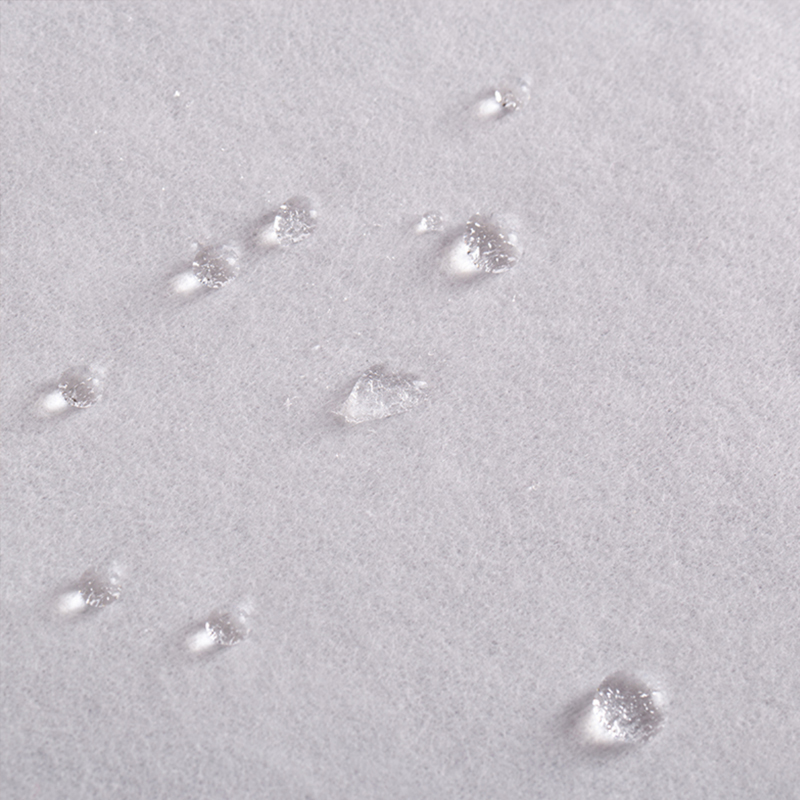
The micro-pore structure derived from hydroentanglement ensures an air ventilation rate of ≥ 300 L/m²·s and water permeability of ≥ 10 mL/s (tested to GB/T 24218.7-2010), optimizing air exchange and rapid liquid conduction.
Regenerated polyester and polypropylene blends provide chemical inertia against common acids (pH 4-8), alkalis (pH 8-12), and concentrated detergents. They resist structural breakdown during industrial degreasing and laboratory maintenance.
IV. Weight Range of Regenerated Fiber Spunlace Non-Woven Fabric
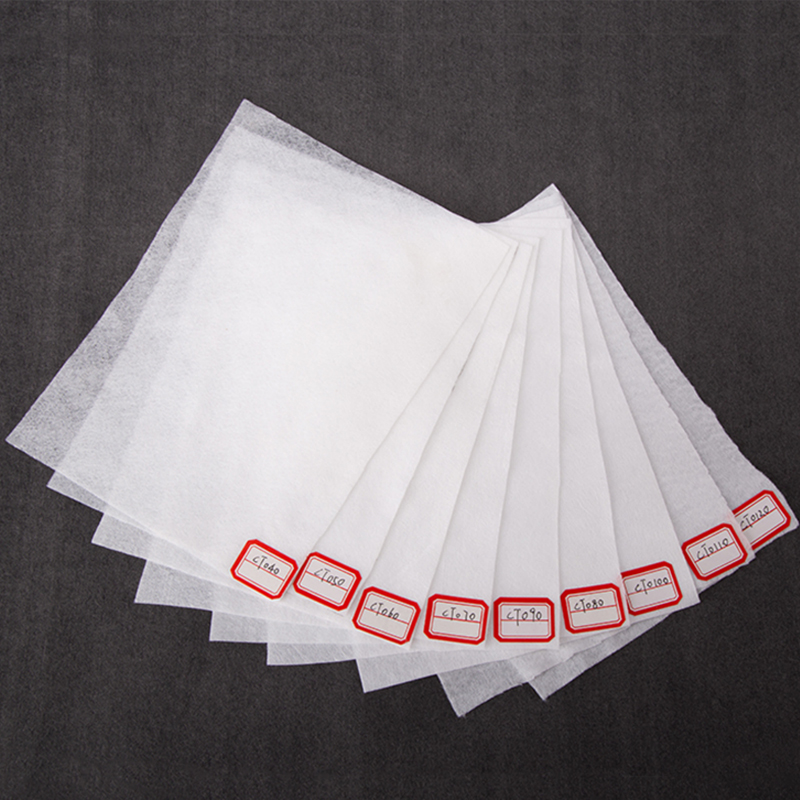
The spunlace non-woven fabric produced by Changshu Yongdeli Spunlaced Non-Woven Fabric Co., Ltd. covers a weight range of 25g/㎡ - 120g/㎡, fully adaptable to diverse application environments:
Light and soft, containing a high ratio of regenerated polypropylene (30%-40%). Ideal for adult incontinence top sheets, delicate wet wipe substrates, disposable medical cap/mask inner linings, and anti-dust electronic linings. A 30g/㎡ layer ensures superior breathability and minimizes skin heat buildup.
Balances strength with suppleness by elevating recycled polyester to 70%-80%. Tailored for household kitchen wipes, bathroom towels, agricultural crop covers, disposable tablecloths, and reusable shopping bags. A 60g/㎡ kitchen wipe is washable 5-10 times with oil-clearing performance matching virgin fibers.
Engineered for high mechanical strength and stiffness with recycled polyester ≥ 80%. Perfect for heavy-duty industrial degreasing wipes, machinery cleaners, permeable weed barrier cloths, and protective transit wraps. A 100g/㎡ weed control fabric offers 1-2 years of outdoor durability while allowing rainwater infiltration.
V. Application Scope of Recycled Fiber Spunlace Nonwoven Fabrics
Provides top layers for adult incontinence pads (30-40g/㎡), thin degradable wet wipe bases (40-45g/㎡), and fluid acquisition/drainage layers (50-60g/㎡). One hygiene partner reported an order increase of 25% across elderly care facilities and healthcare providers upon adopting our 35g/㎡ skin-contact nonwoven substrate.
Includes durable kitchen wipes (50-70g/㎡, reusable and oil-repellent), non-scratch bathroom cloths, single-use tablecloths, and high-strength tote bags (60-80g/㎡). Using a proprietary diamond mesh pattern, domestic cleaning cloths demonstrate 30% greater debris pick-up efficiency than standard recycled textiles.
High-weight materials (80-110g/㎡) serve heavy grease machine wipes, lint-free electronics wipers (with anti-static properties), and mild laboratory solvent cloths. A mechanical machinery client successfully reduced consumable purchasing costs by 18% while enhancing green production credentials.
Encompasses breathable seed germinating covers (45-60g/㎡), floral wraps (50-70g/㎡), and shading weed barrier textiles (90-120g/㎡). By incorporating black masterbatch directly into recycled fibers, our weed cloth provides over 90% light interception, preventing unwanted plant growth without soil-damaging plastic sheets.
Employed in anti-abrasion industrial component wrapping (60-80g/㎡), eco-luxury gift box linings (50-70g/㎡), and protective logistics cushioning (80-100g/㎡). An e-commerce distributor documented a 40% drop in packaging sustainability complaints after transitioning from conventional plastic foam to our recycled nonwoven padding.
VI. Company Environmental Commitment and Service Assurance
Changshu Yongdeli Spunlaced Nonwoven Fabric Co., Ltd. has established a "Full Life Cycle Environmental Control" system for recycled fiber spunlace fabrics:
- Raw Material End: Strict procurement of verified recycled polymers; inferior or non-compliant feedstock is completely rejected.
- Production End: Implementation of internal water-recycling closed circuits and thermal exhaust recovery to substantially curtail energy consumption and effluent discharge.
- Finished Product End: Full provision of certified environmental inspection reports and fiber traceability documentation for every batch.
In addition, the company delivers comprehensive customization services: fine-tuning fiber blends (e.g., higher RPET or higher rPP), producing bespoke textures (plain, mesh, embossed), and applying specialized functional chemistries (antibacterial, antistatic, hydrophilic). Bulk purchasers benefit from complimentary sample evaluation services to streamline prototyping and production integration.
Looking ahead, Changshu Yongdeli Spunlaced Nonwoven Fabric Co., Ltd. continues to expand investments in recycled nonwoven R&D, pioneering advanced composite functional materials (such as waterproof and antibacterial recycled textiles) to empower worldwide partners with sustainable, low-carbon nonwoven solutions.









