
China White Polyester Spunlace Nonwoven Fabric Products Suppliers, Company
Product Description
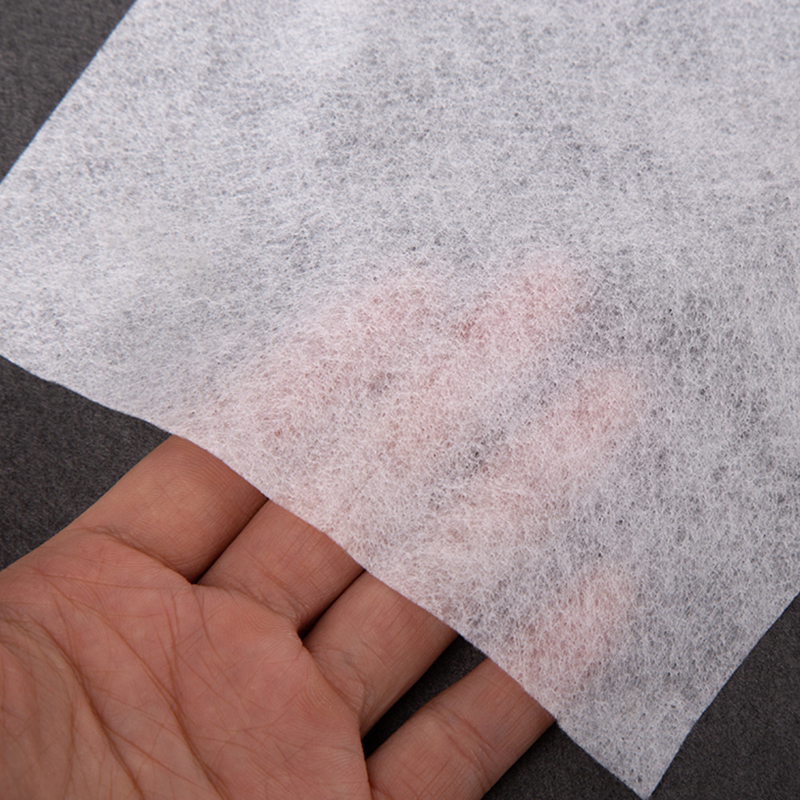
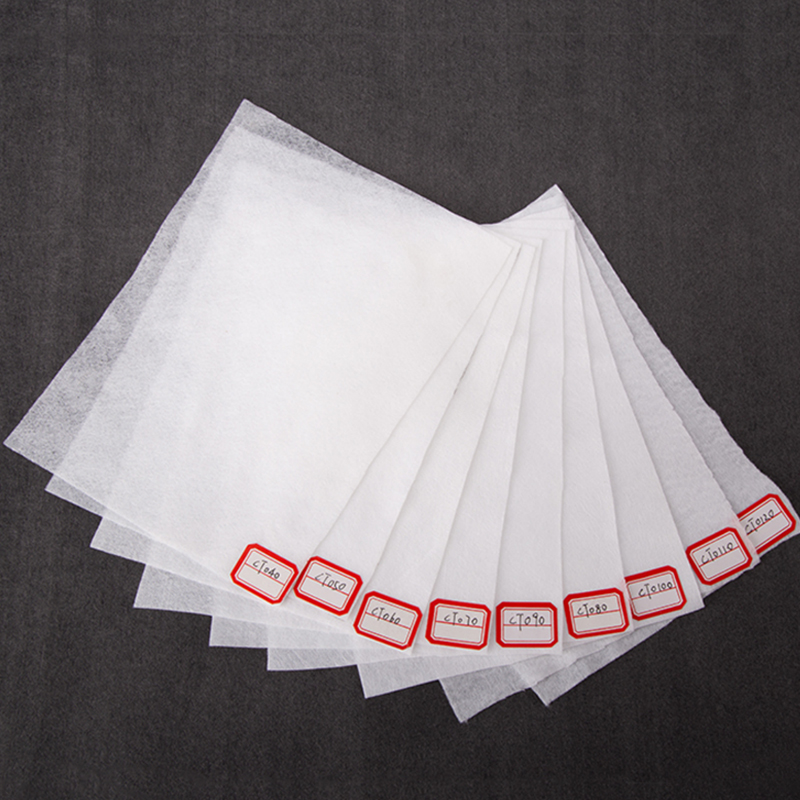
This white polyester spunlace nonwoven fabric relies on the inherent characteristics of polyester fibers coupled with spunlace processing, demonstrating notable advantages in performance, cost, and cross-scenario versatility compared to standard natural fiber nonwovens.
- High Strength & Damage Resistance: Enhanced by hydroentanglement, longitudinal breaking strength reaches ≥15N/5cm and transverse ≥10N/5cm, far outperforming standard viscose nonwovens. It resists tearing, pilling, and repeated abrasion, offering a service life 2 to 3 times longer than natural fiber options.
- Dimensional Stability Without Shrinkage: Thermal shrinkage remains < 1% at 100°C water temperatures. Dimensional deviation is ≤2% under washing and high-temperature drying, preventing visible shrinkage or structural deformation.
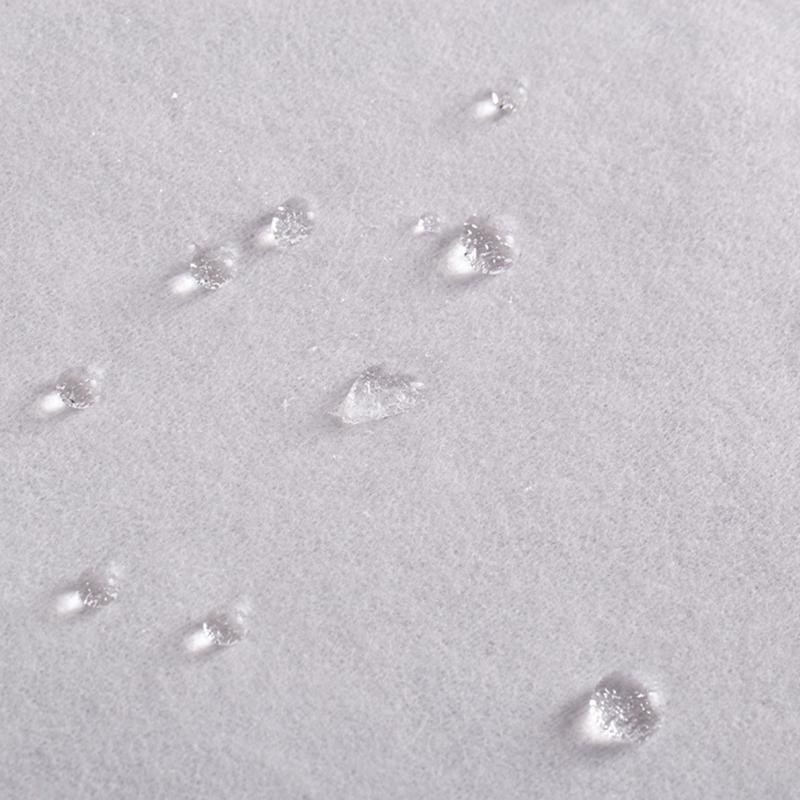
- Waterproof, Moisture-Proof & Mold-Resistant: With a minimal water absorption rate of approximately 0.4%, the hydrophobic fiber stays dry in humid surroundings, hindering bacterial proliferation and mold in damp spaces.
- Chemical Corrosion Resistance: Remains stable when exposed to common detergents and disinfectants (including alcohol and sodium hypochlorite) without dissolution, discoloration, or structural loss.
- Sun & Aging Resistance: Maintains fiber integrity and its pure white color under prolonged UV and sunlight exposure, performing significantly better against aging than cotton or viscose.
- Controlled Material Costs: Reliable raw material availability reduces base costs by 15% to 20% compared to pure cotton or viscose, offering significant financial advantages in volume manufacturing.
- High Efficiency & Low Loss: Raw material loss during carding and spunlacing stays under 3%—far lower than the typical 5%–8% loss seen with natural fibers.
- Pure White Aesthetic: Produced via a non-bleaching method, yielding a clean, natural luster without optical brighteners or hazardous pigments. It meets strict purity expectations for hygienic and medical goods and can be dyed into custom colors.
- Custom Functional Superimposition: Easily integrates post-treatments such as antistatic properties (surface resistance 10⁸-10¹¹Ω), flame retardancy (LOI ≥28%), and antimicrobial capabilities, maintaining >80% effectiveness after repeated laundering.
Centered around "durability, stability, and cost-efficiency," this fabric addresses crucial practical demands:
- Durability and Practicality in Balance: Suited for heavy-rotation tasks such as household cleaning and factory wiping. The cloth can be laundered 5 to 8 times without losing strength, and its hydrophobic surface releases grease and stains with a quick water rinse.
- Performance Stability Across Extremes: Functions reliably across wide temperature ranges (-30°C to 120°C), remaining flexible in freezing conditions and dimensionally stable in heat, moisture, and chemical contact.
- Multi-Functional Expandability: Enables multiple concurrent enhancements—such as "anti-static + antibacterial" for electronics manufacturing or "flame-retardant + water-resistant" for fire protection—allowing downstream producers to standardize base material inventories.
- Daily Cleaning Supplies: Kitchen dishcloths, bathroom wipes, and floor dusters—washable, reusable, and gentle enough to prevent scratching ceramics, glass, or stainless steel.
- Garment Care Accessories: Washing machine lint filter pouches and dustproof garment covers that retain their shape and block dust.
- Pet Care Supplies: Tear-resistant, mold-proof pet wipes and bed linings suited for moist environments.
- Precision Industrial Wiping: Anti-static cloths for electronics and automotive assembly lines; lint-free and resistant to solvents like alcohol and acetone.
- Protective Packaging: Wrapping cloths for machinery parts and metal components that shield against friction, moisture, and rust.
- Filtration Media: Primary industrial wastewater and air filtration media offering precision between 10–50μm with strong chemical durability.
- Medical Sanitizing Consumables: Disinfectant-ready, lint-free wipes for the initial cleaning of instruments and clinic spaces.
- Protective Apparel Components: Reinforcement layers for cuffs, collars, and surgical cap outers that ensure sterile presentation and tear resistance.
- Patient Care Aids: Liquid-barrier outer layers for disposable underpads and durable, easy-to-clean wheelchair covers.
- Outdoor Protective Gear: Backing materials for sunshades and tent flooring with elevated UV and moisture resistance.
- Agricultural Fabrics: Mulching fleece and plant nursery bags that counter weed growth, resist weather degradation, and support root aeration.
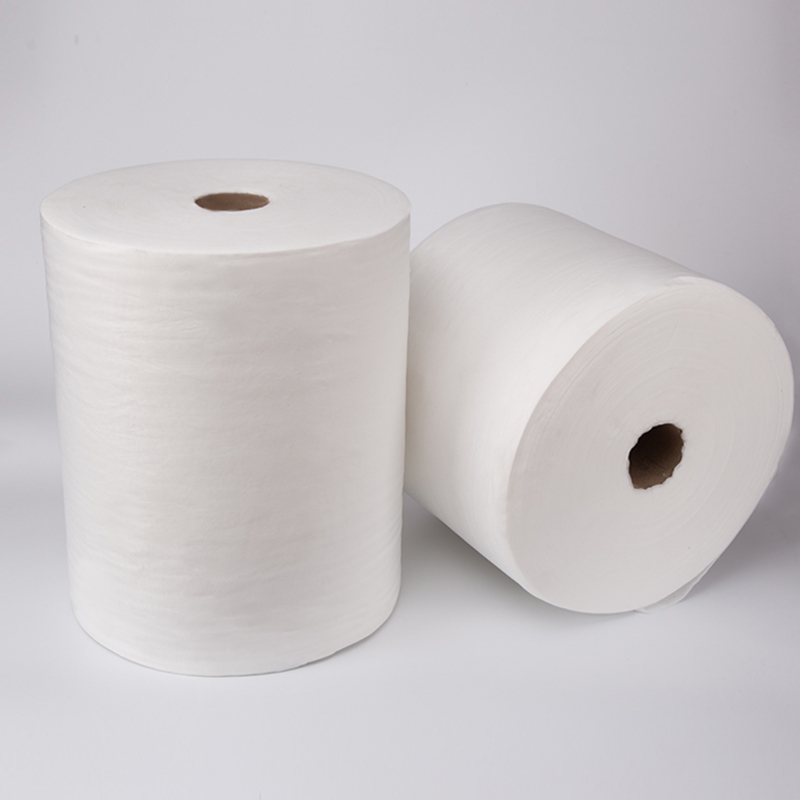
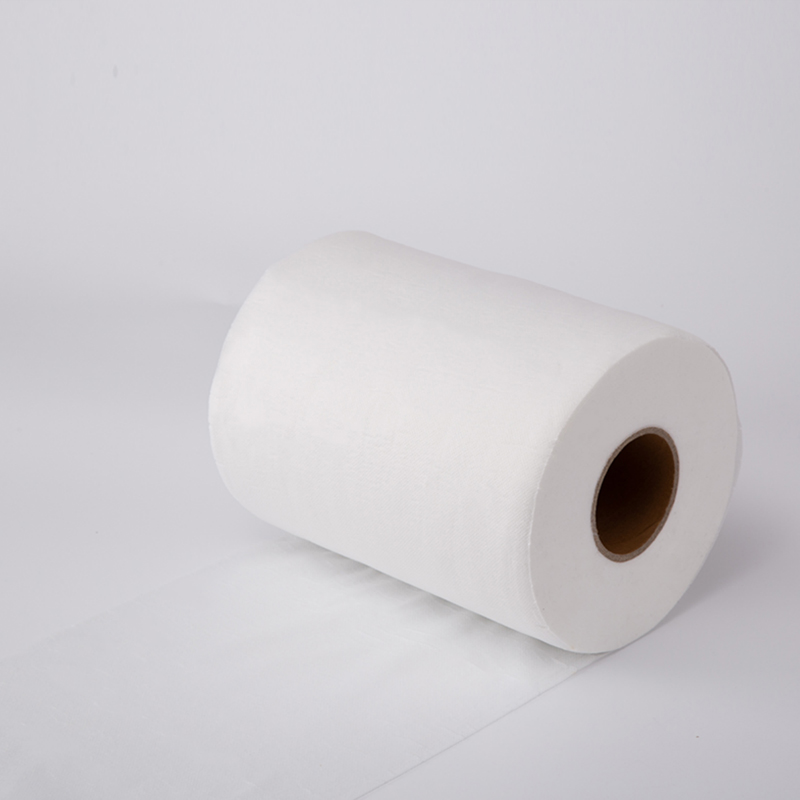
Changshu Yongdeli Spunlace Nonwoven Fabric Co., Ltd. brings over 20 years of dedicated experience to manufacturing white polyester spunlace nonwoven fabrics. Utilizing automated spunlace lines and virgin polyester chips, we maintain accurate carding densities and water pressures. Every production batch maintains a web uniformity error ≤2%, a breaking strength consistency above 98%, and an annual capacity reaching 6,000 tons.
For sample requests or technical specifications, our engineering team is available to support your application needs.









