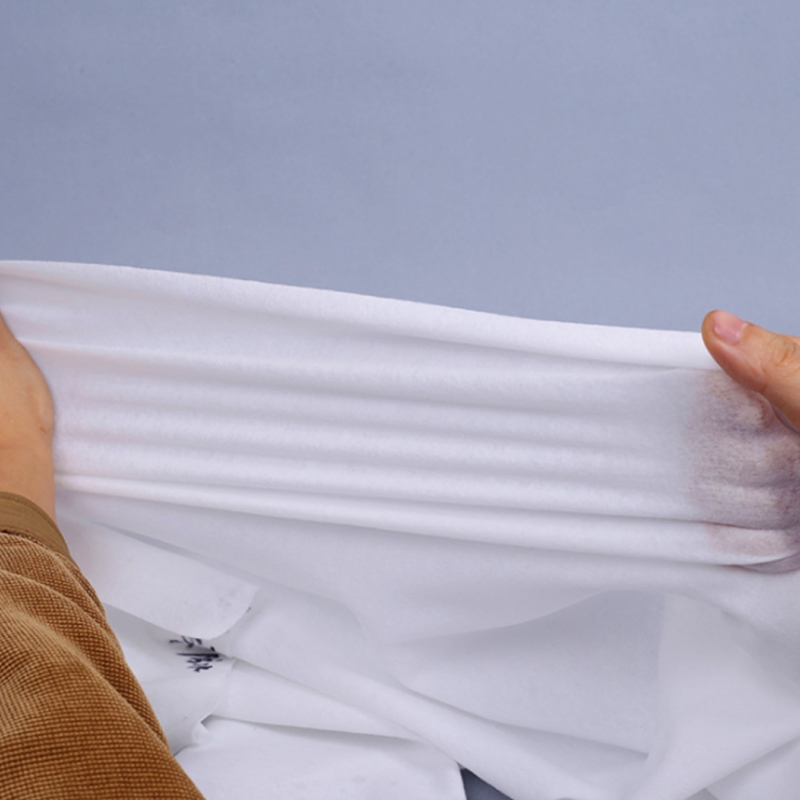
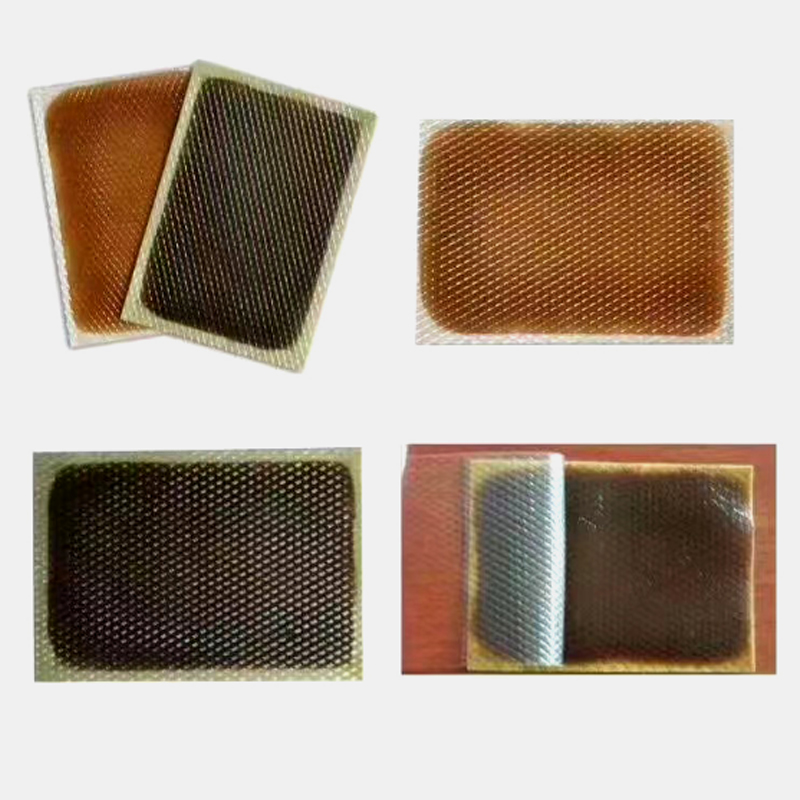
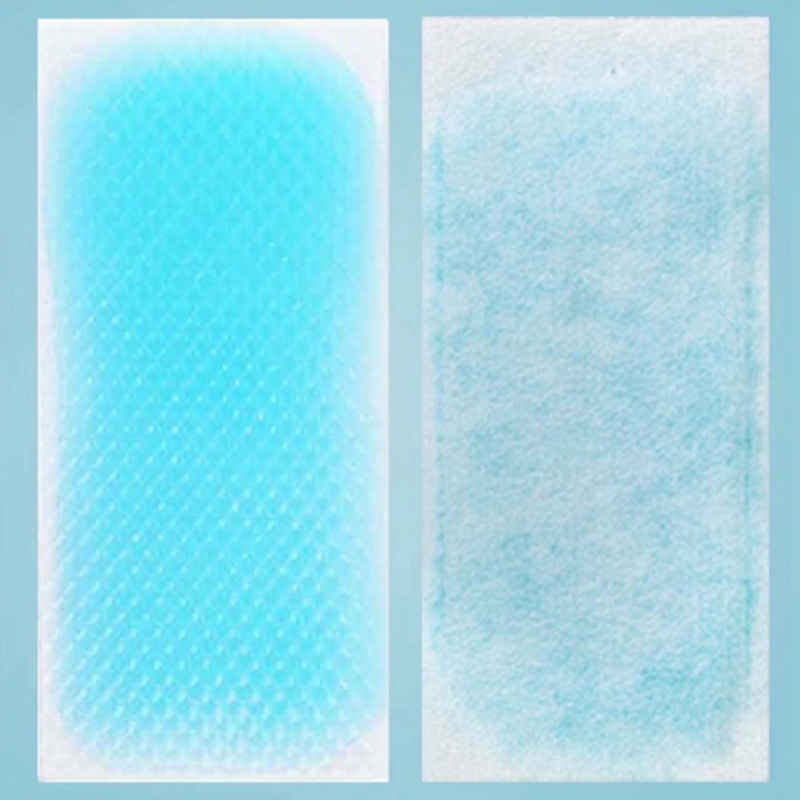
The core of elastic spunlace nonwoven fabric lies in achieving the synergy of "elasticity + spunlace structure" through raw material selection and process optimization. Changshu Yongdeli Spunlaced Nonwoven Fabrics Co., Ltd. ensures stable elasticity and reliable performance through meticulous process control. The specific process is as follows:
1. Core Raw Material Selection and Ratio
Select high-quality elastic polyester fibers. The elastic polyester fibers use modified varieties with a high elastic recovery rate (elastic recovery rate ≥ 90%), which can quickly rebound after stretching.
2. Opening and Mixing
Use a dedicated opening and mixing equipment to disperse the elastic polyester fibers. The equipment adopts a low-tension design to avoid the elastic fibers losing their elasticity due to excessive stretching; then it enters a biaxial blending machine, where multiple sets of mixing teeth achieve uniform fiber mixing to ensure the uniform distribution of elastic fibers in the fabric mesh, avoiding uneven elasticity in certain areas, laying the foundation for subsequent web formation and elastic shaping.
3. Combing and Web Formation (Elastic Orientation Control)
The elastic fibers enter a high-precision elastic fiber-specific combing machine. The combing machine uses special needle fabric (low-damage type needle fabric) and adjustable rollers to separate the fibers while controlling the fiber arrangement direction (mainly longitudinal elasticity, with lateral elasticity as a supplement), matching the elastic requirements of medical patches (such as longitudinal adaptation to limb movement direction). During the combing process, real-time monitoring of the thickness deviation (controlled within ±2%) ensures uniformity of the fabric mesh, avoiding uneven thickness that affects the subsequent coating and adhesion effects.
4. Elastic Spunlace Reinforcement (Key Process)
This is the key step to give the product elasticity, using the "multiple progressive pressure spunlace" process:
• Low-Pressure Spunlace (5-8 MPa): Initially fix the fabric structure to prevent excessive fiber displacement caused by high-pressure spunlace, protecting the elastic structure of the elastic polyester fibers.
• Medium-Pressure Directional Spunlace (10-12 MPa): Through an inclined spunlace head (at an angle of 30°-45° to the fabric mesh) to spray in a directional manner, making the elastic fibers form a "tangle - elastic reserve" structure along the preset direction (longitudinal), providing space for stretching and rebound.
• High-Pressure Shaping Spunlace (13-15 MPa): Use a high-density spunlace head to fully reinforce the fabric mesh, ensuring the tight entanglement of elastic fibers with other fibers, while precisely controlling the pressure to avoid the fibers being crushed, ultimately forming a stable structure of "elastic fibers as the framework, spunlace entanglement as the support", with a longitudinal stretching rate of up to 15%-30% and a lateral stretching rate of up to 8%-15%, meeting the requirements of medical patches for limb movement adhesion.
5. Low-Temperature Dehydration and Shaping
The wet elastic nonwoven fabric after spunlace reinforcement enters a vacuum dehydration equipment (dehydration rate 70%-80%), then enters a low-temperature hot air drying equipment (temperature 70-90°C), with a temperature lower than the conventional spunlace nonwoven fabric drying temperature (100-120°C), which can avoid the elastic polyester fibers losing elasticity due to high temperature. During the drying process, elastic shaping is carried out simultaneously. The tension of the fabric surface is controlled by temperature control rollers to ensure that the product maintains stable elastic recovery performance after drying, with the moisture content controlled within 5%.
6. Surface Pretreatment (Matching Coating)
For the subsequent coating requirements, the dried products are subjected to surface pretreatment: using plasma surface treatment technology to enhance the surface energy (surface tension ≥ 38 mN/m), improving the adhesion to hot melt adhesives, silicone gels, and other coating substrates, and avoiding "degluing" problems; at the same time, smoothness treatment is carried out, by lightly pressing the fabric surface with soft pressure rollers, ensuring the flatness of the fabric surface (flatness deviation ≤ 0.1 mm/m), providing a foundation for uniform coating.
7. Cutting and Quality Inspection
According to the roll width requirements of medical adhesive patch customers (common widths 0.5 - 2 m), the products are cut by high-precision cutting machines. The cutting process adopts tension closed-loop control to avoid elastic deformation of the products due to stretching; in the quality inspection process, in addition to routine appearance and strength tests, "elastic performance testing" (testing the elongation rate and elastic recovery rate with a tensile testing machine) and "coating compatibility testing" (simulating coating after testing the adhesion of the adhesive layer) are added to ensure that each batch of products meets the standards of medical adhesive patch substrates.