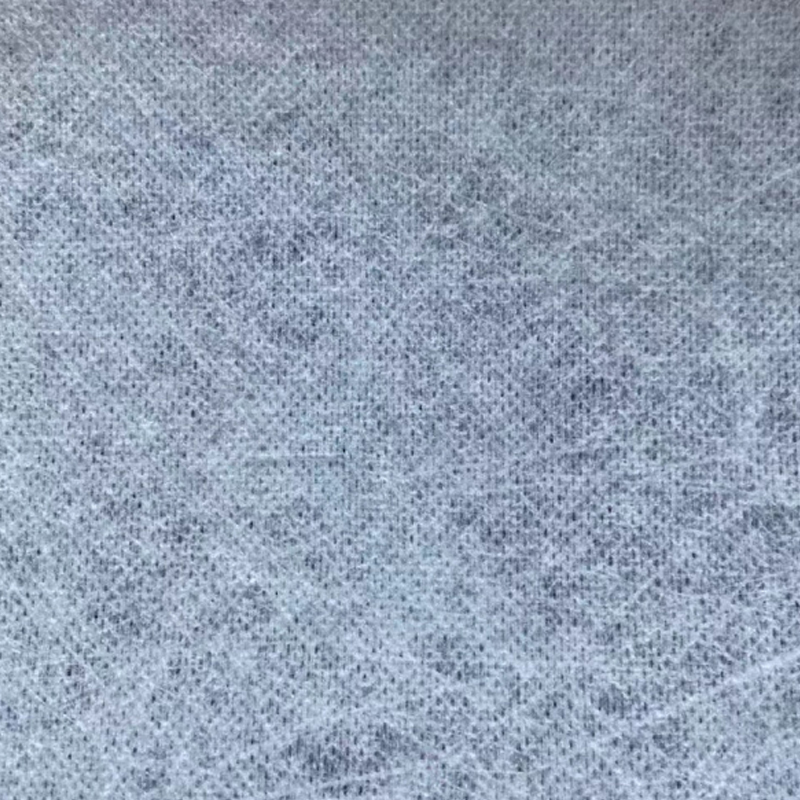
High-Quality Glass Fiber Nonwoven Fabric Suppliers, Company
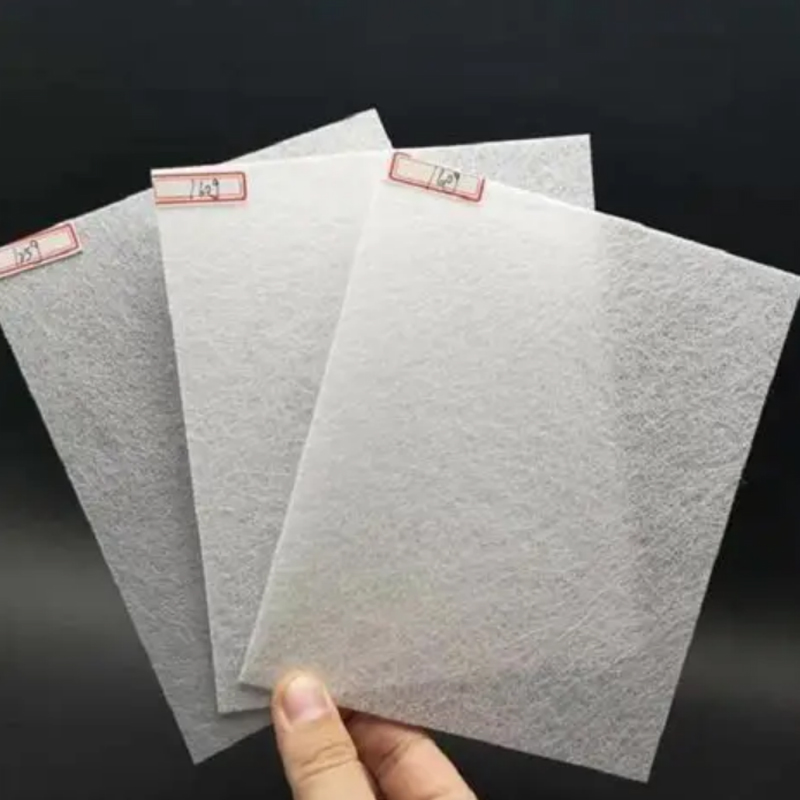
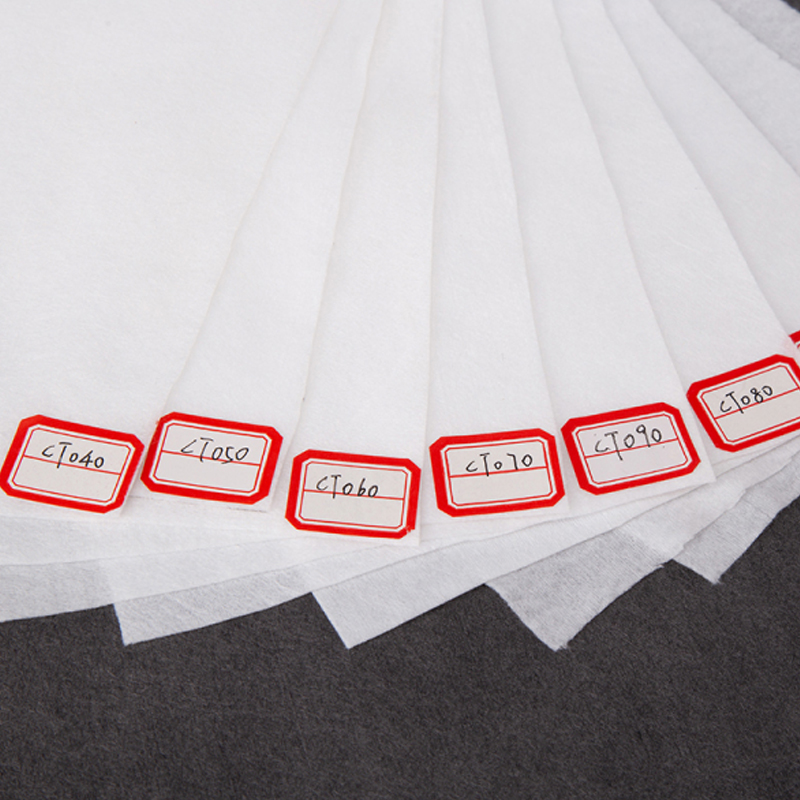
Using alkali-free glass fiber as the single raw material, it is formed through short-cutting dispersion and high-pressure water jet entanglement. While retaining the essential characteristics of glass fiber, it also has the flexible structural advantages of non-woven fabric: High-temperature resistant, flame-retardant and insulating: The foundation of safety in extreme environments.
Changshu Yongdeli Spunlaced Nonwoven Fabric Co., Ltd. specializes in the research, development, and production of high-performance materials based on glass fiber. With alkali-free glass fiber as the core raw material, through advanced processes such as spunlace entanglement and composite molding, the company manufactures two major series of products: glass fiber nonwoven fabric and glass fiber polyester composite mat. These engineered materials meet the demanding requirements across various high-end sectors including infrastructure, industry, and electronics, showcasing the differentiated value of exceptional performance combined with cost-effectiveness.
I. Core Product Features: Precise Integration of Material Properties & Process Advantages
Relying on the inorganic performance advantages of glass fiber and the technological support of spunlace and composite processes, the two types of products form unique functional systems while breaking through the performance limitations of single-material substrates.
(1) Glass Fiber Non-Woven Fabric: The Performance Benchmark of Inorganic Substrates
Using alkali-free glass fiber as the single raw material, it is formed through short-cutting dispersion and high-pressure water jet entanglement. While retaining the essential characteristics of glass fiber, it provides the flexible structural advantages of non-woven fabric:
Wide Operating Temperature: Melting point exceeds 800°C. Operates stably at 260°C long-term, with short-term resistance up to 300°C—far exceeding polyester fibers (≤150°C). Requires no chemical flame retardants, holding a Limiting Oxygen Index (LOI) of ≥30%. It does not ignite or drip when exposed to fire, preserving pure inorganic structural integrity.
Dielectric Strength: Natural electrical insulation with a dielectric breakdown strength of ≥20kV/mm. Retains over 70% insulation strength at 130°C, impervious to humidity and chemical interference, effectively resolving organic material aging issues.
High Strength & Corrosion Resistance
Mechanical Robustness: Fiber tensile strength exceeds 3000MPa. Following 3D spunlace entanglement, longitudinal breaking strength reaches ≥1350N/50mm (850g/m²). Dimensional deformation remains ≤0.5% under thermal and wet cyclic environments.
Chemical & Weather Resistance: Highly resistant to aggressive chemicals (e.g., 10% sulfuric acid, 15% sodium hydroxide) and organic solvents, with strength retention loss ≤10% after 30-day immersion. Maintains zero brittleness after 5 years of UV exposure, lasting 5 to 8 times longer than organic polymers.
Porous Structure & Adaptable Processing
Customizable Architecture: Non-directional microporous matrix offers 70%-80% porosity and 8-16 m³/(m²·min) air permeability. Thickness (3-15mm) and gram weight (450-2250g/m²) are fully customizable to meet exact filtration or insulation targets.
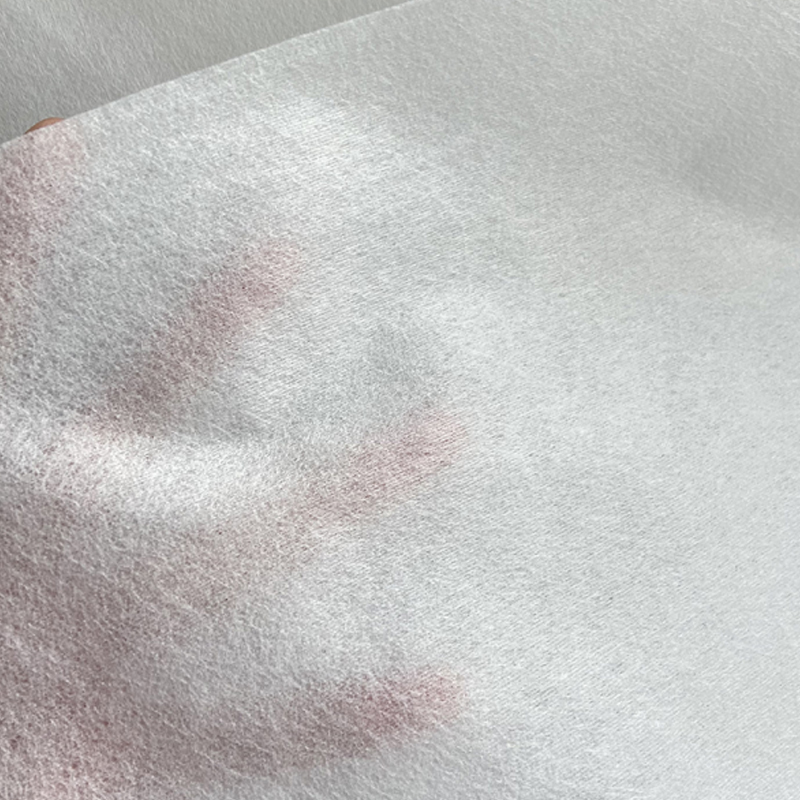
Processing Compatibility: Spunlace hydroentanglement avoids fiber fracture, delivering a soft, pliable hand feel. The substrate can be directly die-cut, stitched, or thermoformed to accommodate complex geometric surfaces.
Engineered by combining glass fiber with high-temperature resistant polyester fiber followed by impregnation and curing, this material delivers balanced strength, elongation, and process efficiency.
Complementary Performance
Overcoming Inherent Defects: Combines the tensile strength of glass fiber with the elongation and tear resistance of polyester. Tear strength is 40% higher than pure glass fiber mat, while elongation at break improves threefold, resisting brittle fracturing.
Optimized Molding: Interlocked resilient fibers increase resin wetting and penetration speed by 30%. In FRP lay-up operations, required composite layers are reduced, driving production efficiency gains above 25% while achieving superior surface finish.
All-Scenario Durability & Cost Reduction
Robust Weather Resistance: Sustains operating temperatures up to 180°C alongside robust resistance to UV exposure, precipitation, and thermal shocks for over 15 years in civil applications. Water absorption rates remain ≤0.5%, avoiding microbial degradation.
Economical Processing: Balanced formulation reduces overall raw material costs by 20%-30% compared to full glass fiber products. In-line manufacturing waste is reduced to under 3%, far below the typical 5%-8% industry average.
II. Main Application Fields: Engineered Solutions Across Diverse Industries
Leveraging specialized material advantages, both product lines serve critical roles across engineering, protective, and industrial systems:
1. Construction & Civil Infrastructure
Glass Fiber Non-Woven Fabric: Functions as premium thermal insulation for steel structure sandwich panels and high-temperature pipeline jackets. Offers 30% higher thermal performance than standard rock wool without fibrous dust emission during installation. Also provides sub-floor moisture and electrical barrier insulation in semiconductor and cleanroom facilities.
Glass Fiber Polyester Composite Mat: Applied as anti-reflective cracking reinforcement in highway pavements, bridge decks, and airport runways. Mitigates reflective shear cracking and prevents water infiltration, extending pavement design life by 5 to 8 years and lowering life-cycle maintenance costs by over 40%. Also serves as backing fabric for building facades and skylights.
Glass Fiber Non-Woven Fabric: Employed in hot gas filtration (baghouses) across metallurgy, chemical processing, and waste incineration at temperatures up to 260°C. Delivers 0.5μm filtration accuracy with ≥99.5% separation efficiency and a service life exceeding standard PPS media by 2x. Functions effectively as exhaust muffler acoustics, dampening engine noise by 15-20dB.
Glass Fiber Polyester Composite Mat: Deployed as resilient, wear-resistant seals and vibration cushions in industrial machinery, yielding 50% lower frictional wear than conventional glass mats. Used as biological carrier media in wastewater treatment plants, enhancing biomass attachment and chemical longevity.
3. Electrical Equipment & Electronics
Glass Fiber Non-Woven Fabric: Acts as phase barrier pads and coil outer wraps in power transformers and electric motors, providing zero-VOC cleanroom compliance and thermal insulation stability at 130°C. Also incorporated within microwave and dishwasher chassis to block internal thermal migration.
Glass Fiber Polyester Composite Mat: Provides mechanical reinforcement in composite substrates and circuit board layers requiring rigorous flatness and insulation. Crucial as an anti-thermal propagation and fire retardant shield within EV (Electric Vehicle) battery enclosures.
4. Transportation & Specialized Engineering
Glass Fiber Non-Woven Fabric: Integrated into automotive cabin liners and marine engine bays, reducing cockpit noise by 8-12dB while resisting radiant engine heat. Used in aircraft cabin fire-barrier assemblies to prevent toxic fume generation during thermal incidents.
Glass Fiber Polyester Composite Mat: Used as a structural pultrusion substrate for marine hulls, truck bodies, and wind energy turbine blades. Increases composite lay-up speed by 30% while offering superior tensile fatigue resistance.
About Yongdeli: Professional Manufacturer of Glass Fiber Base Materials
Changshu Yongdeli Spunlace Nonwoven Fabric Co., Ltd. possesses a fully integrated production line for glass fiber spinning, spunlace hydroentanglement, and composite conversion, offering customized product parameters:
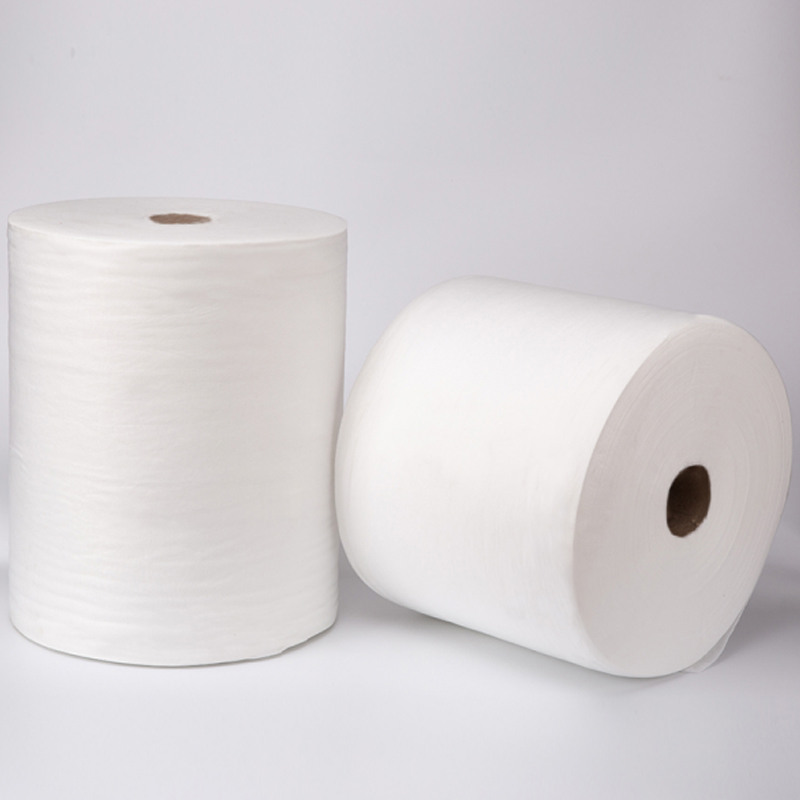
Glass Fiber Non-Woven Fabric: Areal weights ranging from 150 to 2200 g/m², widths from 0.2m to 3.2m. Supports downstream finishing including singeing and calendering for thermal, acoustic, and filtration needs.
Glass Fiber Polyester Composite Mat: Adjustable polyester fiber content (10% to 50%), tensile strength ≥1500N/5cm, custom resin compatibility for pavement geotextiles and composite pultrusion profiles.
If you need to know about product samples or customized solutions, please feel free to contact us.
Frequently Asked Questions (FAQ)
What is the maximum operating temperature of glass fiber non-woven fabric?
The base glass fibers have a melting point exceeding 800°C. The finished non-woven fabric operates continuously at up to 260°C and can withstand short excursions up to 300°C without melting or burning.
How does spunlace glass fiber differ from standard needle-punched mats?
The high-pressure spunlace hydroentanglement process bonds the continuous filaments without severe mechanical fiber breakage. This gives the fabric a softer drape, higher multidirectional tensile consistency, and minimal surface shedding compared to needle-punched alternatives.
Why combine polyester fiber with glass fiber in composite mats?
Pure glass fiber mats offer superior strength and thermal stability but lack elasticity and are susceptible to tearing. Blending high-tenacity polyester fibers increases tear resistance by over 40% and triples elongation at break, preventing handling breakage during high-speed manufacturing.
Can glass fiber polyester composite mats be used for road pavement reinforcement?
Yes. These mats are extensively installed under asphalt overlays to absorb high-stress traffic loads, bridge concrete expansion joints, and block moisture ingress, extending pavement service life by 5 to 8 years.
What custom specifications are available from Changshu Yongdeli?
Glass fiber non-woven fabrics are available from 150 to 2200 g/m² in widths from 0.2m to 3.2m. Composite mats can be customized with 10% to 50% polyester fiber content, customized resin-impregnation binders, and specified tensile ratings up to ≥1500N/5cm.