
High-Quality Plain Spunlace Nonwoven Fabric Products Product, Products
Product Description
The core of plain spunlace nonwoven fabric is to create a uniform and smooth surface structure through precise processes. Changshu Yongdeli Spunlaced Nonwoven Fabric Co., Ltd. ensures the smoothness and performance consistency of each batch of products through full-process refined control. The specific process is as follows:
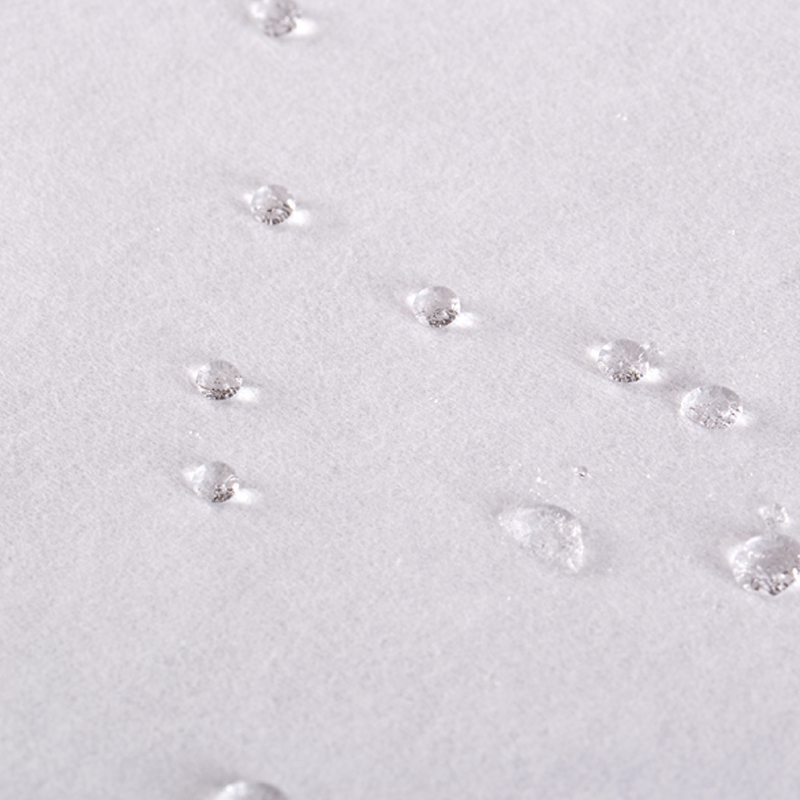
Through precise carding and uniform water jet bonding, the fabric surface is smooth and fine, without obvious texture undulations or fiber accumulation, and has high thickness uniformity (deviation less than ±2%). This flatness ensures precise positioning during subsequent processing (such as printing, laminating, and cutting), reducing processing deviations caused by fabric unevenness, especially suitable for scenarios with high requirements for appearance and processing accuracy (such as surface printing of hygiene products and cutting of medical dressings).
The uniform fiber entanglement density of the plain structure results in small differences in longitudinal and transverse strength (strength difference less than 15%), and balanced distribution of tensile, abrasion, and breathability performance across the fabric surface, without local performance weak points. During use, it can stably withstand external forces without local tearing or damage, suitable for basic application scenarios with high requirements for performance stability.
The plain fabric surface has no obvious raised textures, providing a smooth and fine touch, without friction or irritation when in contact with the skin. If natural fibers (such as pure cotton, viscose, and bamboo fiber) are used as raw materials, the skin-friendliness of the product is further enhanced, effectively reducing discomfort reactions in sensitive skin individuals, particularly suitable for direct skin contact scenarios such as hygiene products, medical dressings, and home intimate products.
The flat fabric structure provides excellent processing compatibility, easily adapting to various processing techniques such as printing, laminating, cutting, sewing, and heat sealing. For example, during printing, the ink adheres evenly without issues like missed printing or bleeding due to fabric undulations; when laminated with films or other nonwoven fabrics, there are no air bubbles and high lamination strength; during cutting, the edges are neat without fraying, significantly reducing the processing difficulty and cost for downstream customers.
The plain is the most basic and classic fabric texture structure, requiring no complex texture design yet meeting the basic application needs of multiple industries. Whether used as the surface layer of hygiene products, the base material of medical dressings, or the basic material of industrial wiping cloths, plain spunlace nonwoven fabric can adapt to diverse scenarios with balanced performance and a flat surface, making it an extremely versatile nonwoven fabric product.
The production process only uses physical water-jet technology to entangle fibers, without adding chemical substances such as adhesives, fluorescent agents, or formaldehyde, thus avoiding potential harm to human health from chemical residues. The products have been tested by authoritative institutions and comply with environmental and safety standards such as GB 18401-2010 "National Basic Safety Technical Specifications for Textile Products". If natural fiber raw materials are used, the products can be naturally degraded after disposal (with a degradation rate of over 85%), aligning with the trend of green development and suitable for high-safety-demand scenarios such as medical and infant care products.
Although the plain structure is fixed, the strength, breathability, moisture absorption, and wear resistance of the product can be flexibly adjusted by changing parameters such as the type and ratio of fiber raw materials and water-jet pressure. For example, increasing water-jet pressure can enhance the product's strength and density; using cotton fiber raw materials can improve moisture absorption; adding polyester fibers can enhance wear resistance. This allows for customization of the plain spunlace non-woven fabric to meet the specific performance requirements of different industries.
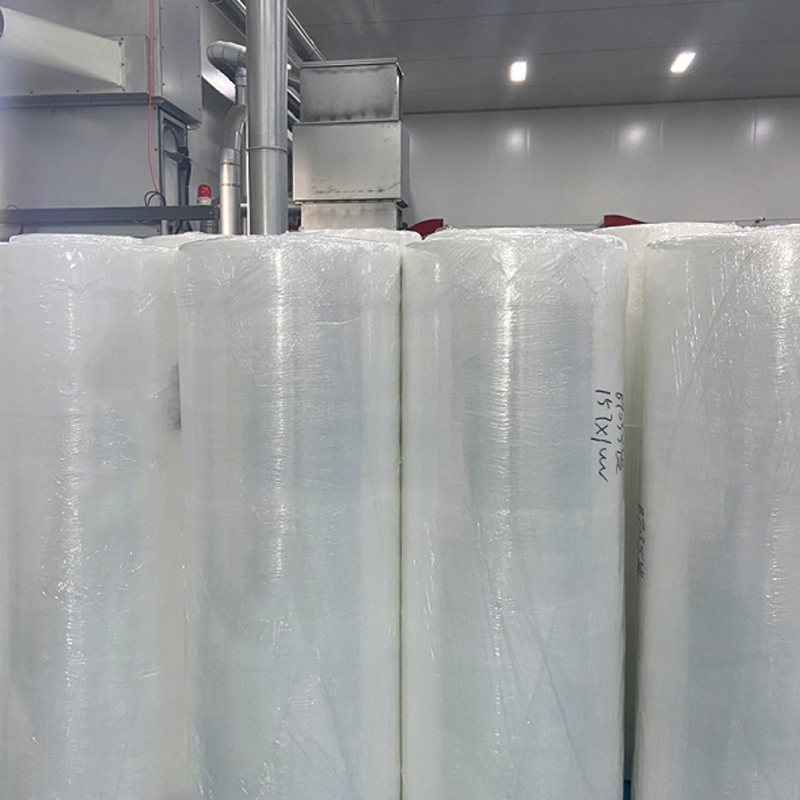
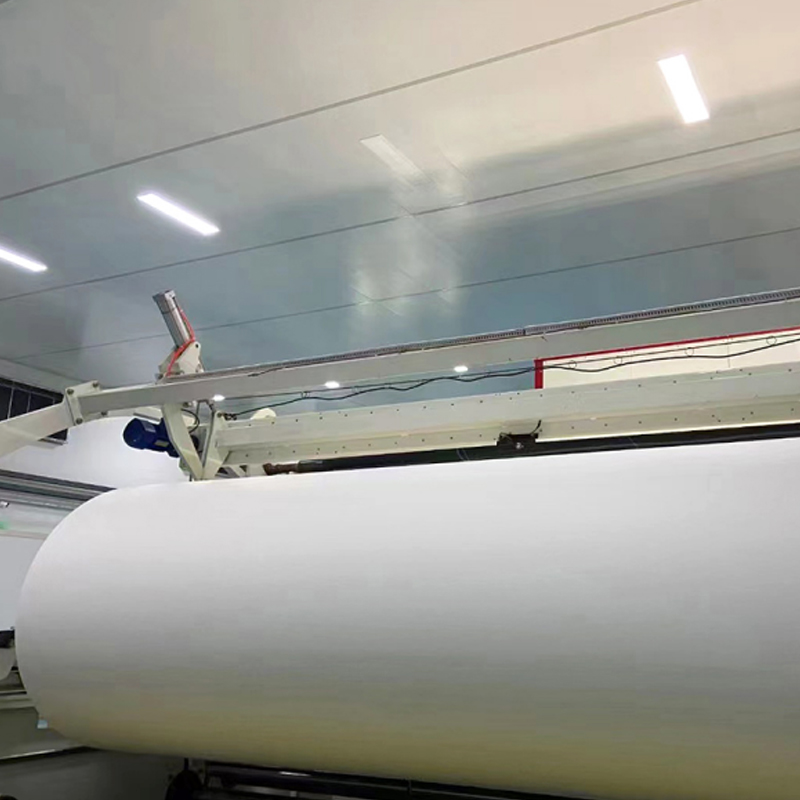
The production process of plain spunlace non-woven fabric is relatively mature, does not require complex texture-forming equipment and processes, has high production efficiency (daily production capacity can reach tens of thousands of meters), and has a high raw material utilization rate (waste rate is less than 3%). Under the premise of ensuring product quality, production costs are effectively controlled. Compared with non-woven fabrics with special textures or complex functions, plain spunlace non-woven fabric offers higher cost-effectiveness and can meet the "low cost, high performance" procurement needs of downstream customers.
The plain spunlace non-woven fabric produced by Changshu Yongdeli Spunlaced Non-woven Fabric Co., Ltd. has a wide weight coverage range and can be flexibly adjusted according to the performance requirements of different application scenarios. The specific weight range is 25g/㎡ - 120g/㎡. The characteristics and application scenarios of products in each weight range are as follows:
Light and thin, with a fine surface, excellent breathability, light weight, and high softness. Mainly used in the surface layer of hygiene products (such as the surface layer of baby diapers, the surface layer of feminine hygiene products, and the base material of thin wet wipes), the inner layer of medical masks (improving wearing comfort and breathability), and the base material of cosmetic pads (soft and skin-friendly, no irritation) and other scenarios where product thickness and weight are sensitive and fine texture and breathability are emphasized.
Combining lightness with certain strength, with outstanding surface flatness and balanced performance, improved moisture absorption, wear resistance, and breathability. Widely used in medical dressing base materials (such as the absorbent layer of band-aids, base materials for medical gauze substitutes, and disposable medical bed sheets), household cleaning cloths (such as kitchen light cleaning cloths and bathroom wiping cloths), disposable towels (such as hotel and beauty salon disposable towels), and packaging liners (such as liners for electronic products and gift packaging, protecting products from scratches) and other scenarios.
Moderate thickness, high strength, excellent wear resistance and tear resistance, good surface stiffness, capable of withstanding certain external tensile and friction forces. Suitable for industrial wiping cloths (such as wiping cloths for mechanical processing oil stains and precision instrument wiping cloths in the electronics industry), heavy-duty packaging cloths (such as packaging for small industrial products and transportation protective cloths), agricultural light covering cloths (such as temporary covering cloths for vegetable seedling cultivation and flower protection cloths), and home decoration base materials (such as disposable tablecloths and simple curtain base materials) and other scenarios where product strength and wear resistance are highly demanded.
It is the core application field of plain spunlace non-woven fabric. With the advantages of a smooth surface and skin-friendly breathability, it is an ideal base material for hygiene products. In baby diapers, low-weight (25-35g/㎡) plain weave products are used as the surface layer, which can quickly channel urine, keep the baby's skin dry and reduce the risk of red buttocks. In feminine hygiene products, 30-40g/㎡ products are used as the surface layer, providing breathability and preventing heat and moisture buildup, thereby enhancing user comfort. In the wet wipe market, 40-45g/㎡ products are used as the base material, featuring strong liquid absorption, no fiber shedding during wiping, and are suitable for baby wet wipes, adult cleaning wipes, and makeup remover wipes, etc. For instance, a well-known hygiene products company adopted the company's 35g/㎡ plain spunlace nonwoven fabric as the surface layer of its diapers, and received user feedback that "skin contact comfort improved by 40%". The product's market reputation has significantly improved as a result.
Relying on its environmentally friendly, safe, smooth surface, and stable performance, plain spunlace nonwoven fabric is widely used in the medical and health field. Medium-weight (50-70g/㎡) products can be used as the base material for medical dressings, such as the absorbent layer of band-aids, which can quickly absorb exudate from wounds and keep them dry. Disposable medical bed sheets use 60-70g/㎡ products, which are smooth without wrinkles, hygienic, and comfortable, effectively preventing cross-infection. The inner layer of medical masks uses 25-30g/㎡ products, which are soft and breathable, alleviating the stuffiness caused by long-term wearing. The products comply with medical standards such as YY/T 0334-2022 "Medical Absorbent Cotton" and GB 19083-2010 "Technical Requirements for Medical Protective Masks", and can pass third-party authoritative testing to ensure safety in medical use.
With the increasing demand for convenience and comfort in home cleaning, the application demand for plain spunlace nonwoven fabric continues to grow. Medium-weight (50-60g/㎡) products can be made into home cleaning cloths, such as kitchen cleaning cloths that can effectively remove oil stains, are easy to clean, and reusable; bathroom wiping cloths are soft and fine, and will not scratch the surface of tiles or glass; disposable towels use 60-70g/㎡ products, replacing traditional towels, avoiding bacterial growth, and are suitable for use in hotels, homestays, beauty salons, etc. In addition, high-weight (80-100g/㎡) products can be used for disposable tablecloths, simple curtains, and other home items, combining practicality and economy.
In industrial production and packaging, plain spunlace nonwoven fabric plays an important role due to its strength and wear resistance. High-weight (80-110g/㎡) products can be made into industrial wiping cloths, such as those used in mechanical processing workshops to wipe off oil stains and metal chips, and in the electronics industry to clean circuit boards and the surfaces of precision instruments, with no residue left and no damage to the products. Small industrial product packaging uses 90-120g/㎡ products as packaging cloth or protective inner lining, effectively buffering impacts and protecting products from damage during transportation. At the same time, the product has good resistance to chemical corrosion and can be used for cleaning and protection in mild chemical environments.
In the beauty and personal care field, low-weight (25-35g/㎡) plain spunlace nonwoven fabric, due to its fine and skin-friendly characteristics, has become the core base material for makeup pads and makeup remover pads. Makeup pads use 25-30g/㎡ products, which are soft and do not waste cosmetics when dipped, and apply evenly and smoothly; makeup remover pads use 30-35g/㎡ products, which have strong liquid absorption, can quickly dissolve makeup, and do not shed fibers during wiping, avoiding skin irritation. In addition, disposable facial cleansing cloths can also use 40-50g/㎡ products, replacing traditional towels, being hygienic and convenient, and suitable for daily skin care use.
Changshu Yongdeli Spunlaced Nonwoven Fabric Co., Ltd. always takes customer needs as the orientation, continuously optimizes the production process of plain spunlace nonwoven fabric, and can customize fiber raw materials, weight, and post-treatment functions (such as antibacterial, hydrophilic, antistatic) according to customers' specific needs, providing exclusive solutions for different industries. In the future, the company will further enhance the performance stability and process refinement level of plain spunlace nonwoven fabric, expand its application in high-end medical care, precision electronic cleaning and other fields, and work hand in hand with customers to achieve win-win development.









