
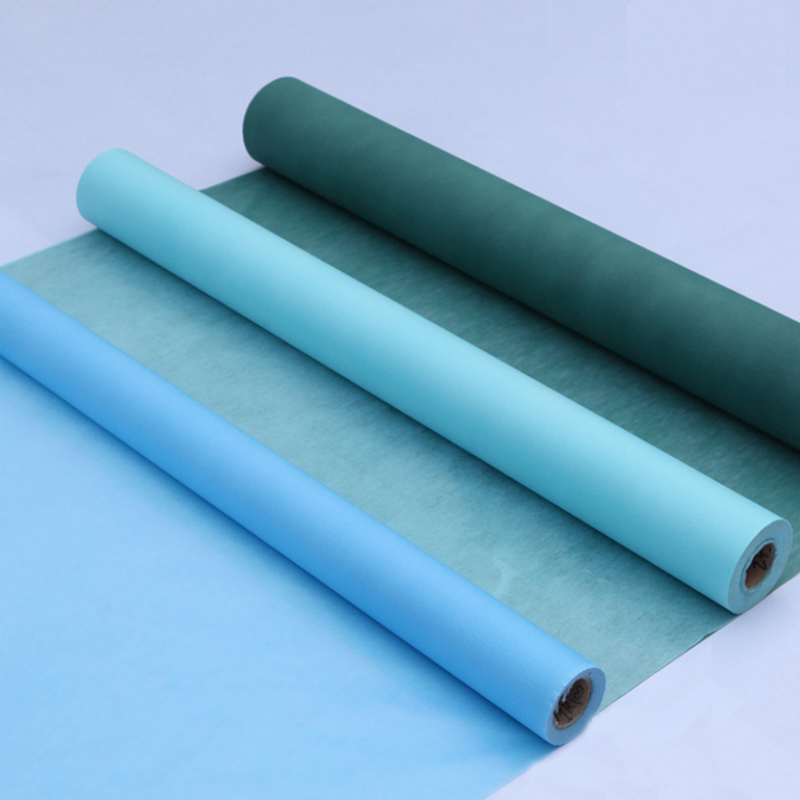
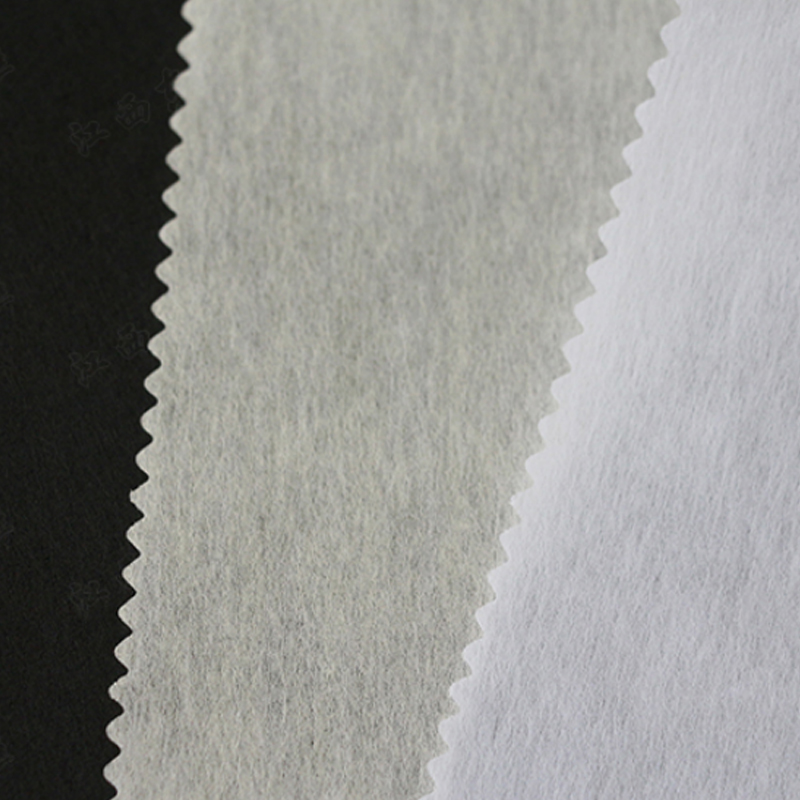
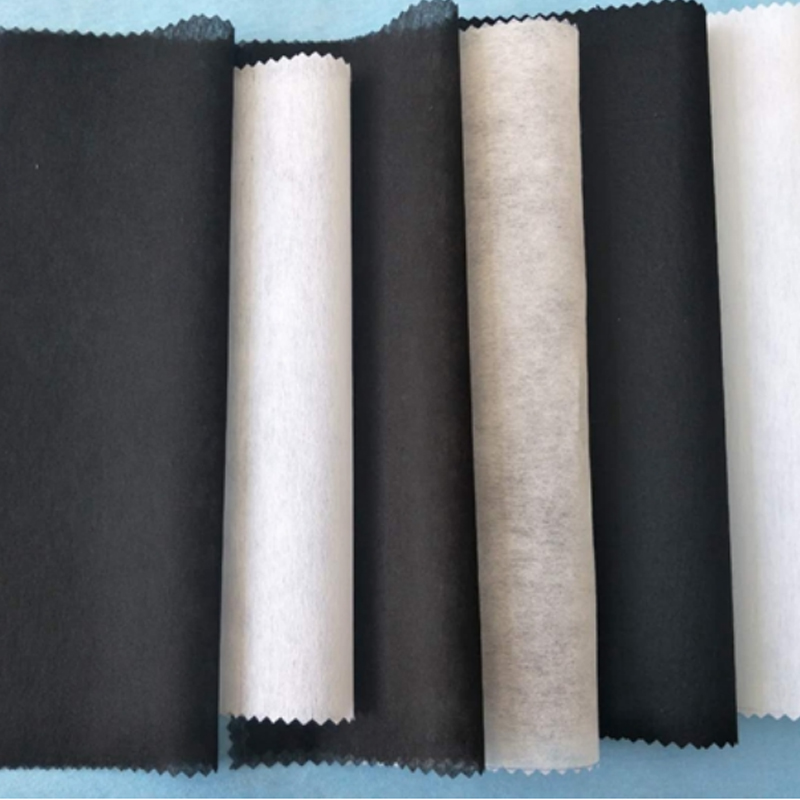
High-Quality Chemical Bond Nonwoven Fabrics Manufacturer, Company
Product Description
Changshu Yongdeli Spunlaced Nonwoven Fabric Co., Ltd. has been deeply engaged in the nonwoven fabric industry for many years. With continuous improvement in production technology and strict control over product quality, it has established a professional reputation in the spunlace nonwoven fabric sector. To further meet diverse market demands, the company, relying on its mature R&D system and production capacity, has launched chemical bond nonwoven fabric products with stable performance and diverse functions. Through scientific impregnation processes, these nonwoven fabrics acquire specialized functions and are widely applicable across various industry scenarios.
I. Production Process of Chemical Bond Nonwoven Fabrics
The core of producing chemical bond nonwoven fabrics is to fully integrate the base nonwoven fabric with the functional impregnation liquid. Changshu Yongdeli Spunlaced Nonwoven Fabric Co., Ltd. ensures each batch meets functional standards and maintains consistent quality through standardized production processes:
II. Advantages of Chemical Bond Nonwovens
Formulas can be flexibly tailored to achieve single or multi-functional profiles—including antibacterial, waterproof, oil-resistant, antistatic, and flame-retardant characteristics tailored to medical or outdoor environments.
Deep impregnation and chemical curing lock additives into fiber structures. Core functions remain stable even after 5 to 15 standard washes, providing exceptional durability and service life.
Versatile processing works efficiently with spunlace, thermal-bond, and spunbond materials across natural, synthetic, or blended fibers without compromising functional efficacy.
Integrated continuous lines deliver tens of thousands of square meters daily. In-line monitoring systems safeguard uniform consistency and zero batch-to-batch variation.
III. Characteristics of Chemical Bond Nonwovens
Adds specialized functional attributes while preserving inherent fabric characteristics such as natural softness, breathability, and comfort.
Complies with RoHS and REACH standards using water-based solvents and non-toxic additives, ensuring recyclability and natural degradability when using organic fibers.
Precise tension, speed, and drying metrics prevent thickness variation or localized chemical deficiencies, ensuring a smooth, reliable fabric surface.
Resists fraying and fiber shedding during high-speed converting. Exhibits high performance in cutting, sewing, heat-sealing, and adhesive lamination.
IV. Weight Range and Specifications
Changshu Yongdeli Spunlaced Non-woven Fabric Co., Ltd. provides versatile weight customization spanning 25g/㎡ to 180g/㎡ to accommodate specific mechanical strength and chemical saturation requirements:
Lightweight and highly flexible with balanced load capacity. Ideal for hygiene products, wet wipe substrates, disposable underwear linings, and delicate anti-static electronics packaging.
Optimal balance of tensile strength and comfort. Suited for medical bed sheets, flame-retardant curtains, protective outdoor apparel, and functional home textiles like stain-resistant tablecloths.
Durable, heavy-duty build capable of holding high additive loads. Designed for industrial protective gear, heavy degreasing wipes, construction moisture barriers, and agricultural ground covers.
V. Application Market Scope
Antibacterial linens (>99% antibacterial rate), isolation gowns, wound dressings, burn pads, and disinfectant wipe substrates designed to reduce cross-contamination while ensuring high breathability.
Skin-friendly materials for sanitary napkin surfaces, diaper leak-guards, adult incontinence products, and soft cleansing wipes formulated with mild, irritation-free solutions.
Water/oil-repellent tablecloths, dust-resistant curtain fabrics, antimicrobial upholstery linings, and fast-drying sweat-absorbent textiles that optimize cleanliness and ease of maintenance.
Flame-retardant barriers, lint-free industrial degreasing wipes, anti-static component packaging, and heavy-duty conveyor lining substrates engineered for demanding operational conditions.
UV-stabilized crop covers (offering a service life of 2-3 years), insect-resistant crop covers, and weather-resistant outer shells for backpacks and temporary shelters.
Changshu Yongdeli Spunlaced Nonwoven Fabric Co., Ltd. continuously focuses on customer demands, technical formula enhancements, and eco-friendly manufacturing methodologies to provide customized nonwoven solutions globally.








