
High-Quality Filament Spunbond Nonwoven Fabric Products Supplier, Factories
Product Description
I. Process Flow of Filament Spunbond Nonwoven Fabric
The production of filament spunbond nonwoven fabric is a precise process that integrates polymer material processing and hot rolling molding technology. Changshu Yongdeli Spunlaced Nonwoven Fabric Co., Ltd. strictly follows standardized production processes, monitoring every stage from raw materials to finished products to ensure stable quality of each batch. The specific process is as follows:
II. Advantages of Filament Spunbond Non-Woven Fabric
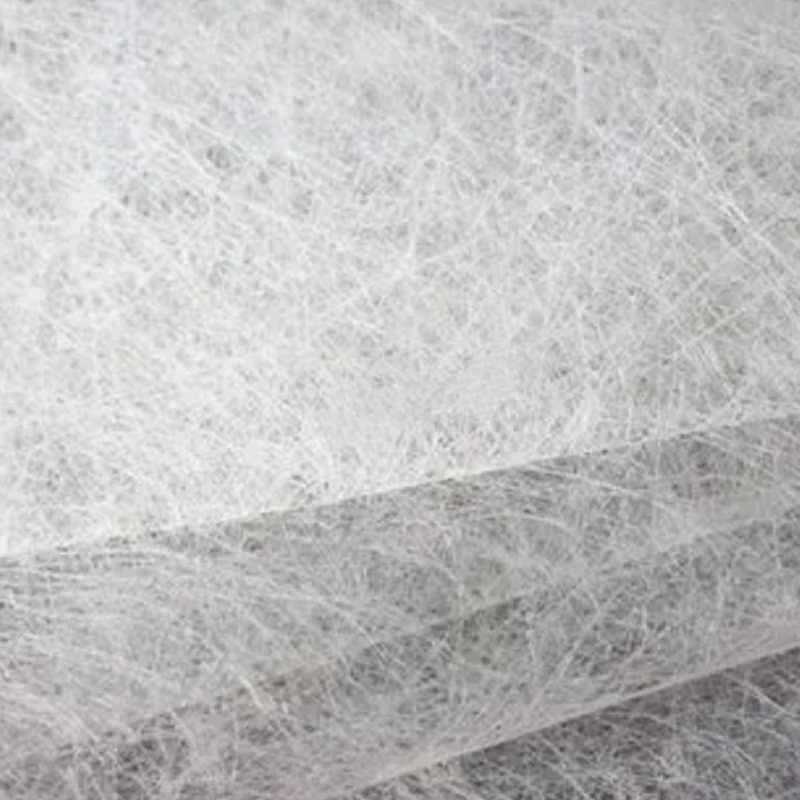
Long fiber spunbond non-woven fabric adopts a continuous long fiber structure and is reinforced through hot pressing to ensure tight adhesion between the fibers. The machine direction and cross direction tensile strength of the product is excellent, capable of withstanding large external forces without tearing. At the same time, its wear resistance and aging resistance are excellent, maintaining stable performance even in long-term use or harsh environments (such as moisture, light friction), with a much longer service life than short-fiber non-woven fabric.
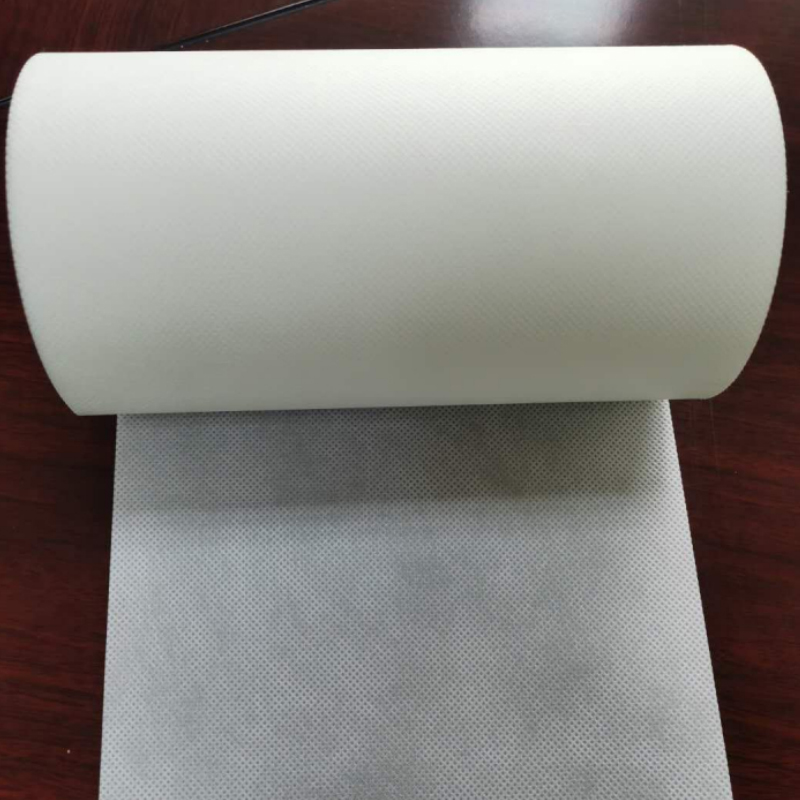
During the spunbond reinforcement process, by optimizing the design of the heat press roller's patterns and pressure parameters, a uniform microporous structure can be formed on the fabric surface. These micropores not only ensure smooth air circulation, giving the product good breathability, but also allow water vapor to penetrate, avoiding a stuffy feeling, suitable for hygiene products, clothing linings, and other scenarios in contact with the human body.
Due to the spunbond shaping process, filament spunbond non-woven fabric has undergone sufficient heat shrinkage stabilization treatment during production. In subsequent processing (such as cutting, sewing) or use, even after temperature changes or mild washing, it is unlikely to show obvious shrinkage or deformation, ensuring the consistency of product dimensions, providing convenience for downstream customers' production.
The production process of filament spunbond non-woven fabric is continuous, from melt spinning to hot-pressing reinforcement, enabling continuous operations. Changshu Yongdeli spunlaced Non-Woven Fabric Co., Ltd. has further improved production efficiency by optimizing production parameters and equipment layout. Compared to some complex process non-woven fabrics, the filament spunbond process has high raw material utilization and reasonable energy consumption, ensuring product quality while offering better cost advantages, enabling customers to receive high-quality, cost-effective products.
The company can customize products according to customer requirements by using different types of high-molecular materials (such as PP, PET) or adding functional agents. Whether adjusting the strength, softness of the product, or adding special functions such as antibacterial, anti-static, all can be achieved through process optimization. The customization capability is strong, capable of meeting the diverse needs of multiple industries.
III. Characteristics of Filament Spunbond Non-Woven Fabric
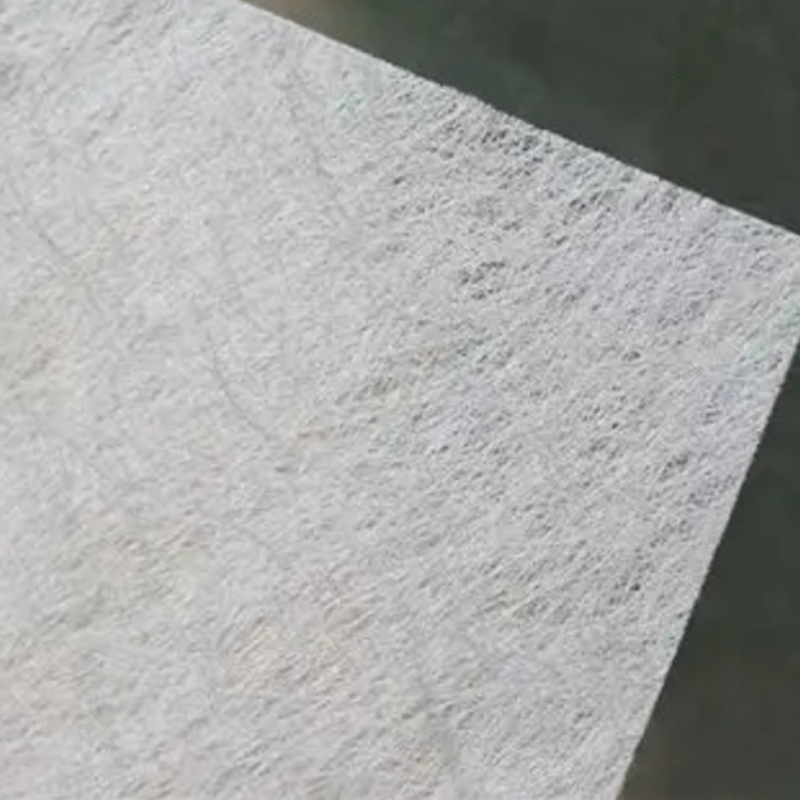
Through precise control of various parameters in the spinning, netting and hot-pressing processes, the weight uniformity of the fabric surface of filament spunbond non-woven fabric is high, without obvious thickness differences or fiber agglomeration. If a smooth heat press roller is used, the fabric surface can present a fine, flat appearance; if a pattern roller is used, it can form a beautiful pattern, enhancing the visual texture of the product, suitable for scenarios with high requirements for appearance.
The long filament hot-pressed non-woven fabric is bonded by the melting and fusing of the fibers through heat pressing. During the production process, no glue, resin, or other chemical adhesives need to be added, avoiding the potential harm of chemical substances to human health and reducing environmental pollution. The product has been tested by authoritative institutions and has no odor or harmful components, meeting national environmental protection standards (such as GB 18401-2010 "National Basic Safety Technical Specifications for Textiles"), and can be safely applied in the fields of hygiene and medical care.
The product has excellent processing properties such as cutting, sewing, heat bonding, and printing. During cutting, there is no occurrence of loose edges or fiber shedding; during heat bonding, it can quickly bond with other materials (such as films, other non-woven fabrics), and the bonding strength is high; at the same time, the fabric surface is smooth and flat, facilitating printing processing, and can meet the diverse needs of downstream customers for product shape and appearance design.
The main raw materials of the filament spunbond non-woven fabric (such as PP, PET) have good chemical stability and strong tolerance to common chemical substances such as acids, alkalis, and salts. In scenarios where it comes into contact with mild chemical reagents (such as industrial wiping and packaging), the product performance is not affected and can maintain a stable usage state.
IV. Weight Range of Filament Spunbond Non-Woven Fabric
The filament spunbond non-woven fabric produced by Changshu Yongdeli Spunlaced Non-Woven Fabric Co., Ltd. has a wide range of weights, meeting the needs of different industries and application scenarios. The specific weight range is 10g/㎡ - 150g/㎡, and can be customized and adjusted according to the special needs of customers. The characteristics and application scenarios of each weight range of products are as follows:
The product is lightweight and has excellent breathability, with a soft and transparent surface (PP material products). It is mainly used for the surface or drainage layer of hygiene products (such as the surface of sanitary napkins, diaper drainage layer), clothing inner linings (such as the inner lining of lightweight clothing, mask inner layer), and packaging materials (such as the inner lining of electronic product dust-proof packaging film) and other scenarios with low requirements for product thickness and weight.
The product has both lightness and certain strength, with balanced comprehensive performance, excellent breathability and durability. It is widely used in hygiene products (such as baby wet wipes packaging, outer layer of adult incontinence products), medical protective products (such as medical caps, medical shoe covers, outer layer of disposable bed sheets), household products (such as disposable tablecloths, shopping bags, storage bags), and agricultural fields (such as seedling covering cloth, anti-grass cloth base material) and other scenarios with high requirements for product strength and thickness.
The product has a large thickness, high strength, and good stiffness. It has outstanding wear resistance and impact resistance. It is suitable for industrial fields (such as industrial wiping cloth, base material for filtering materials, cable wrapping materials), packaging materials (such as heavy item packaging cloth, gift packaging bags), home decoration (such as thick disposable curtains, carpet padding), and agricultural fields (such as seedling covering cloth, anti-grass cloth base material) and other scenarios with high requirements for product strength and thickness.









