
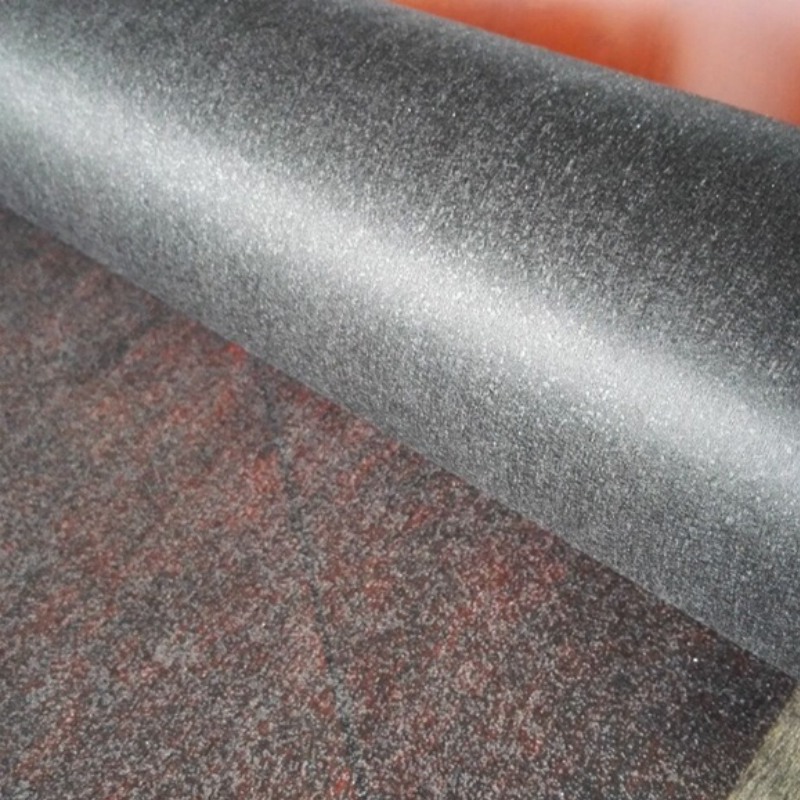
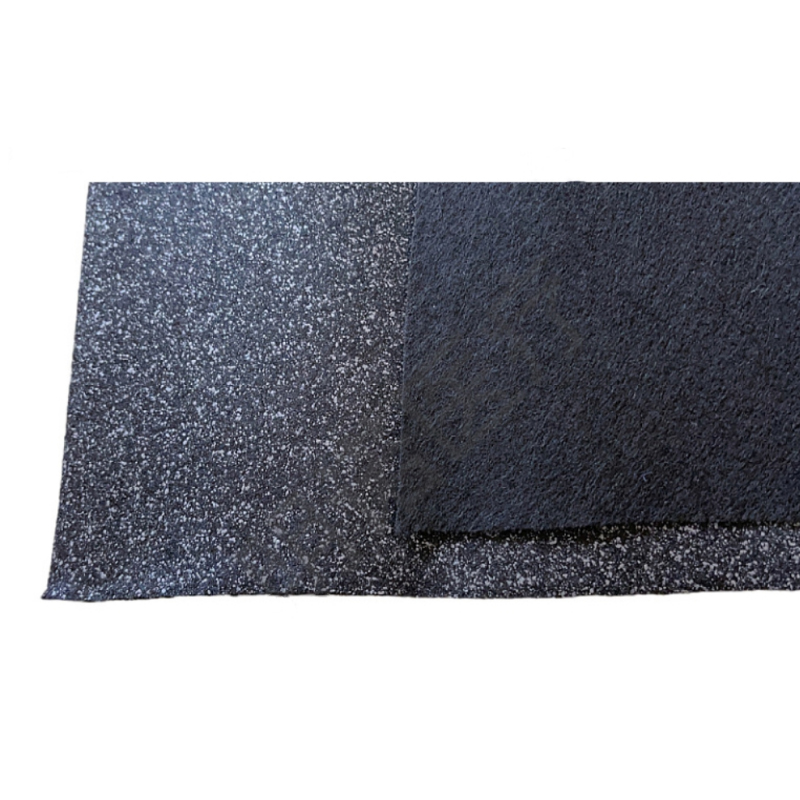
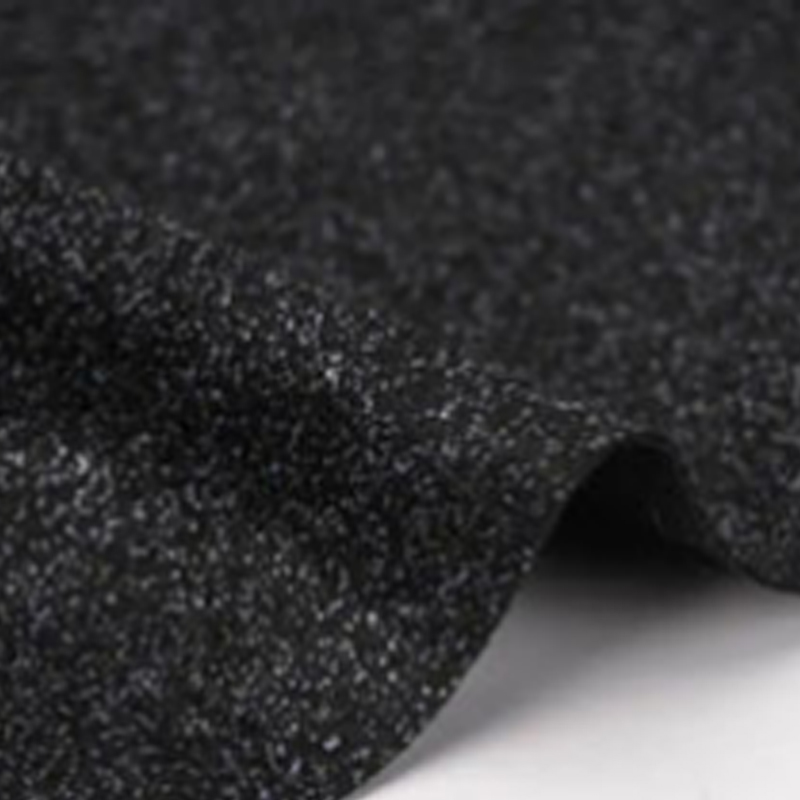
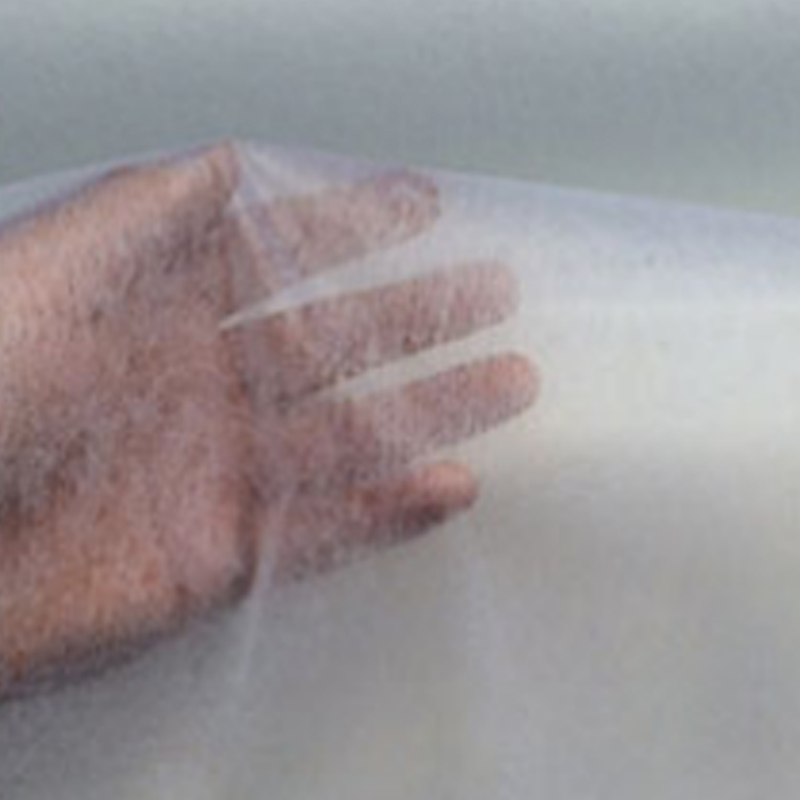
High-Quality Powder dusted Spunlace Nonwoven Fabric Products Supplier, Factories
Product Description
I. Product Foundation: High-performance Spunlace Base Material, Laying a Solid Quality Foundation
The quality core of powdered spunlace nonwoven fabric begins with the meticulous creation of the spunlace base material. Our company selects polyester and polypropylene as core raw materials, through scientific proportioning and mature spunlace technology, to build a base material that combines strength, stability, and adaptability, providing an excellent carrier for the precise attachment and bonding function of PVA hot melt powder:
Endow the base material with excellent tensile strength and tear resistance, ensuring that the base material does not deform or break during powder dusting processing, cutting, and long-term use; at the same time, it has good chemical resistance and aging resistance, which can adapt to the complex environment of high and low temperatures and humidity in the automotive field, extending the overall service life of the product and ensuring the long-term stability of the bonding effect.
Possess excellent corrosion resistance and low moisture absorption, which can enhance the base material's moisture-proof and acid and alkali resistance capabilities, avoiding the impact of humid environments on the bonding performance of PVA hot melt powder; at the same time, its light weight and cost adaptability characteristics can balance product costs and usage requirements for customers while ensuring base material strength, suitable for cost-effective scenarios in the automotive and other fields.
After precise proportioning of the two raw materials, they are opened, carded, cross-laid, and then entangled by high-pressure water jets to form a uniform, dense, and stable spunlace base material. Each batch of base material undergoes multi-dimensional testing such as weight, thickness, and strength, with errors controlled within a very small range to ensure consistency and reliability, laying a solid foundation for the precise implementation of the subsequent PVA hot melt powder dusting process.
II. Core Process: "Spunlace Base Material + PVA Hot Melt Powder Dusting", Endowing Products with Strong Bonding Function
Our dusted spunlace nonwoven fabric strictly follows the step-by-step process of "first preparing the spunlace base material, then performing powder dusting processing", customizing and optimizing the entire process parameters based on the characteristics of PVA hot melt powder, and achieving the triple guarantee of "stable base material + uniform powder dusting + strong bonding effect" through refined control, making the product perfectly suitable for bonding needs in the automotive and other fields:
(1) Spunlace Base Material Preparation: Customized to Match Bonding Scenarios
Relying on our automated spunlace production line, from raw material feeding to base material formation, the entire process is controllable, ensuring that the base material and PVA hot melt powder characteristics, application scenarios are highly matched:
(2) PVA Hot Melt Powder Dusting Processing: Precise Control, Enhancing Bonding Performance
Based on qualified spunlace base materials, customized powder dusting and fixation processes are implemented in accordance with the characteristics of PVA hot melt powder (polyvinyl alcohol hot melt powder), such as specific melting point, melt adhesion, and environmental friendliness and non-toxicity, to maximize its strong adhesive function:
High-purity PVA hot melt powder is selected to ensure no impurities remain, meeting automotive VOC standards. Formulas with melting points of 120-140°C are tailored for automotive needs, and 80-100°C for ambient temperature conditions.
High-precision powder dusting machines handle 80-120 mesh particle sizes. Infrared detection monitors the application in real time with errors within ±2%, ensuring uniform distribution without clumping or gaps.
A temperature-controlled press (±5°C margin) quickly melts powder under 0.3-0.5MPa pressure. Immediate cooling cures it into a robust, peel-resistant adhesive layer ready for lamination and cutting.
Three. Product Advantages: Feature Adaptation to Demands, Empowering Multi-field Applications
With high-quality spunlace base materials and precise PVA hot melt powder dusting technology, our powder-dusting spunlace non-woven fabric has multiple core advantages, particularly in the automotive field, while also meeting the adhesion requirements of various scenarios:
The melted adhesive layer withstands persistent vibrations and cyclic temperatures (-30°C to 80°C). Adhesion points resist cracking, delivering dependable structural integrity without frequent maintenance.
Real-time monitored distribution ensures consistent adhesive weight per square centimeter. Eliminating structural weak points maximizes downstream production yields.
Combining moisture-, corrosion-, and thermal-resistant nonwoven matrices with matched melting-point PVA empowers stable operation through extreme automotive and ambient industrial conditions.
The high-purity PVA powder is non-toxic, odorless, and zero-VOC compliant. Nonwoven substrates release no harmful compounds, fitting automotive interiors and residential materials.
Four. Application Scenarios: Focusing on the Automotive Field, Radiating to Multi-industry Adhesion Demands
Our powder-dusting spunlace non-woven fabric, with the advantages of "strong base material + PVA hot melt powder's strong adhesion", focuses on the automotive field while also radiating to other industries, becoming an important support for customers' product adhesion upgrades:
Automotive Field (Core Application)
Other Applications (Radiation Applications)
Provides solid adhesion for wooden doors (veneer to substrate) and laminate flooring without hazardous solvent emissions.
Enables clean bonding for blackout curtains and sofa linings, eliminating adhesive smells and enduring domestic laundry wash cycles.
Secures delicate glassware and electronic parts firmly in place to suppress transit shocks while leveraging biodegradable models to mitigate waste.
V. Brand Commitment: Perpetual Quality, Mutual Benefit and Win-Win
Since its establishment, Changshu Yongdeli Spunlaced Nonwoven Fabric Co., Ltd. has always regarded "perpetual quality" as the core of its development, integrating it throughout the entire production process of powder-dusted spunlace nonwoven fabric (polyester and polypropylene substrates, PVA hot melt powder sprinkled):
Strict qualification tests for polymer fiber strength, PVA melt index, and purity ensure raw integrity before entering automated production lines.
Continuous inline inspection governs surface density, thermal shear strength, and thermal shock tolerance (-30°C to 80°C cycling tests) prior to delivery.
End-to-end integration covering formula engineering, prototyping, volume runs, and on-site processing parameter optimization.
In the future, we will continue to be guided by "customer needs", deepen the innovation of PVA hot melt powder dusting technology in the automotive field (such as developing PVA hot melt powder solutions with higher heat resistance and stronger adhesive strength), and expand its application scenarios in new energy vehicles, high-end home furnishings, and other fields. We are committed to becoming a "reliable quality, precise customization, professional service" supplier in the powder-dusted spunlace nonwoven fabric field, and work hand in hand with customers to achieve the long-term development goal of "perpetual cooperation, mutual benefit and win-win".









