
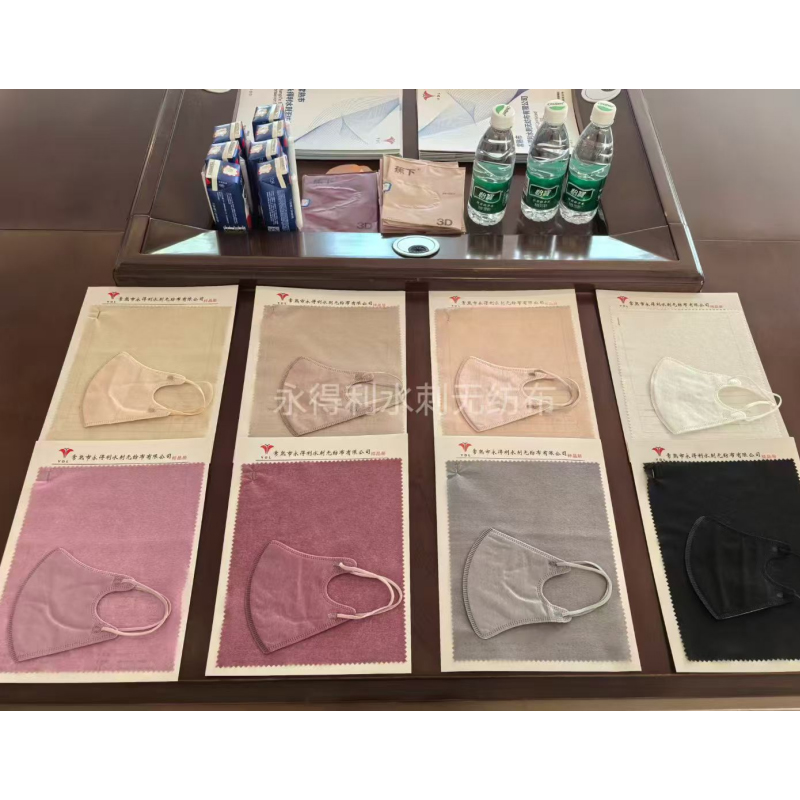
High-Quality Anti-Ultraviolet/Sunscreen Spunlace Nonwoven Fabric Products Manufacturers, Factories
Product Description
I. Product Foundation: Core Characteristics and Advantages of Spunlace Nonwoven Fabric
The practical value and experience of anti-ultraviolet/sunscreen spunlace nonwoven fabric stem from the excellent characteristics of spunlace nonwoven fabric itself. Our company selects polyester, viscose, pure cotton, and bamboo fiber as core raw materials, and uses mature spunlace technology to create base materials. These core characteristics not only provide support for the stable loading of anti-ultraviolet/sunscreen additives but also become the key advantages for product adaptation to multiple scenarios:
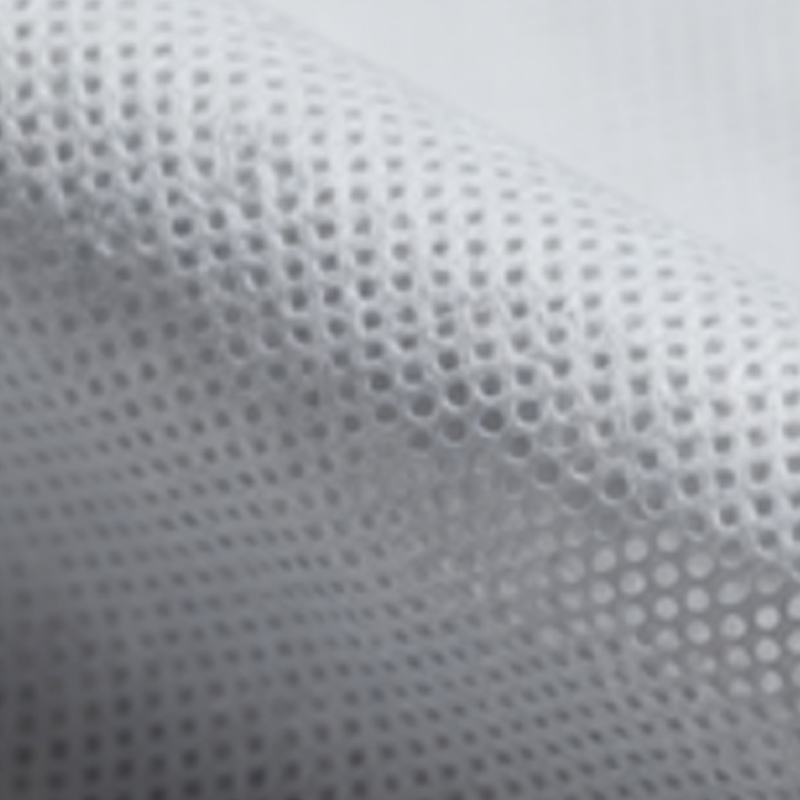
The spunlace process uses high-pressure water jets to entangle fibers, forming a mesh structure without warp and weft directions. Viscose, pure cotton, and bamboo fiber base materials offer a soft, cotton-like touch, ideal for close-fitting items like outdoor T-shirts, sun protection masks, and children's protective wear. Polyester provides flexibility and stiffness, meeting structural stability for outdoor tents and sunshades without losing sun protection due to material deformation.
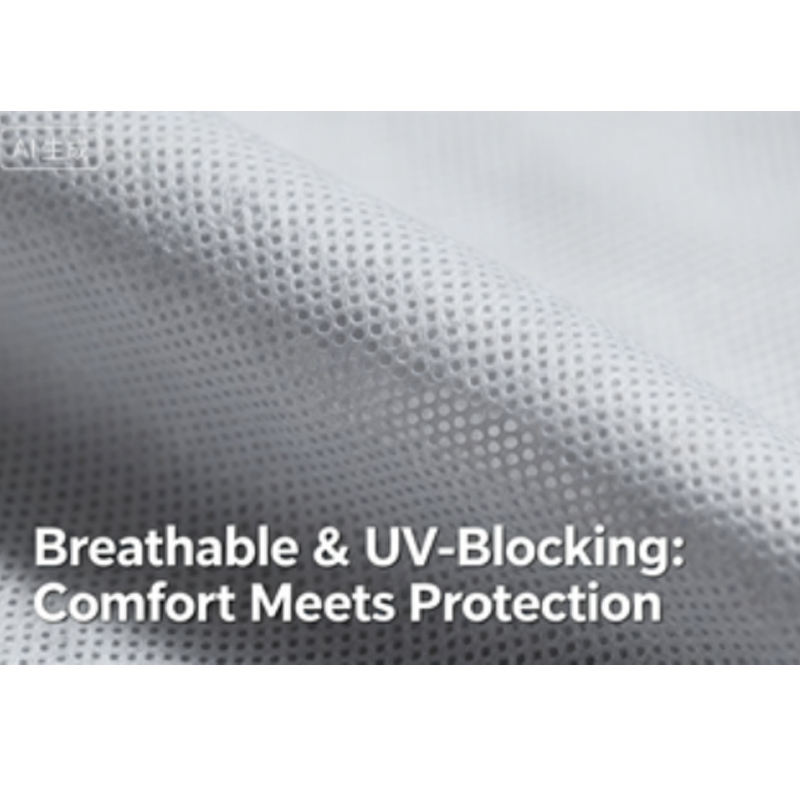
With uniform gaps and a porous structure, breathability far exceeds traditional sun protection fabrics. Pure cotton and bamboo fiber bases achieve a breathability of 1500–2200mm/s, while viscose offers a moisture absorption rate of ≥9g/10min. Water vapor and sweat are rapidly expelled, avoiding heat and sweat accumulation in high-heat outdoor exposure.
Tightly entangled fibers ensure superior tensile strength compared to conventional nonwovens. Polyester base materials reach longitudinal tensile strength ≥850N/m and transverse strength ≥550N/m. Even after 20 washes, the structural integrity remains stable, preventing additive loss and prolonging protective lifespan.
Raw materials comply with OEKO-TEX® Standard 100, free from formaldehyde, toxic heavy metals, and adhesive chemicals. Pure cotton and bamboo fibers are naturally biodegradable. Being odorless and non-irritating, they are safe for infants, children, and sensitive individuals.
Raw material proportions, weight (35–200g/m² adjustable), thickness, and density can be tailored specifically to client demands. Whether boosting skin-softness (e.g., 50% cotton + 50% viscose) or prioritizing rugged durability (e.g., 75% polyester + 25% bamboo), materials integrate seamlessly with immersion processes.
II. Core Technology: Immersion and Pressing Method for Long-Lasting Sun Protection
Our anti-ultraviolet spunlace non-woven fabric strictly follows a step-by-step process: "first making high-quality spunlace base material, then doing the anti-ultraviolet/sun protection additive finishing." Utilizing immersion and pressing as the core processing method, additives are evenly bonded deep into the fibers without degrading the native strengths of the fabric:
We utilize non-irritating, eco-friendly UV additives (mainly benzotriazole and benzophenone) meeting textile safety standards. Passing extensive skin allergy testing with zero redness or irritation, these additives provide an ultraviolet blocking rate of ≥99% against UVA and UVB wavelengths, achieving UPF 50+ rating.
Full fabric immersion (solution concentration 1.5%–4%, stirred at 30–50 r/min for 20–30 seconds) allows additives to fully permeate the fiber core. Double-roller compression (0.4–0.7MPa, retention 70%–90%) and low-temperature hot-air curing (85–100°C) lock in UV protection. Full-width UV distribution error remains ≤5%, retaining UPF 40+ even after 20 wash cycles.
Hydrophilic natural fibers (cotton, viscose, bamboo) use lower-concentration baths and short curing times to avoid material hardening. For hydrophobic polyester, plasma surface treatment is conducted prior to immersion to maximize additive adhesion without compromising basic comfort.
III. Unique Product Features: Overlapping Base Material & Protective Advantages
Relying on high-quality spunlace base materials and precise sun protection processing technology, our anti-ultraviolet spunlace non-woven fabric achieves an exceptional dual-performance balance:
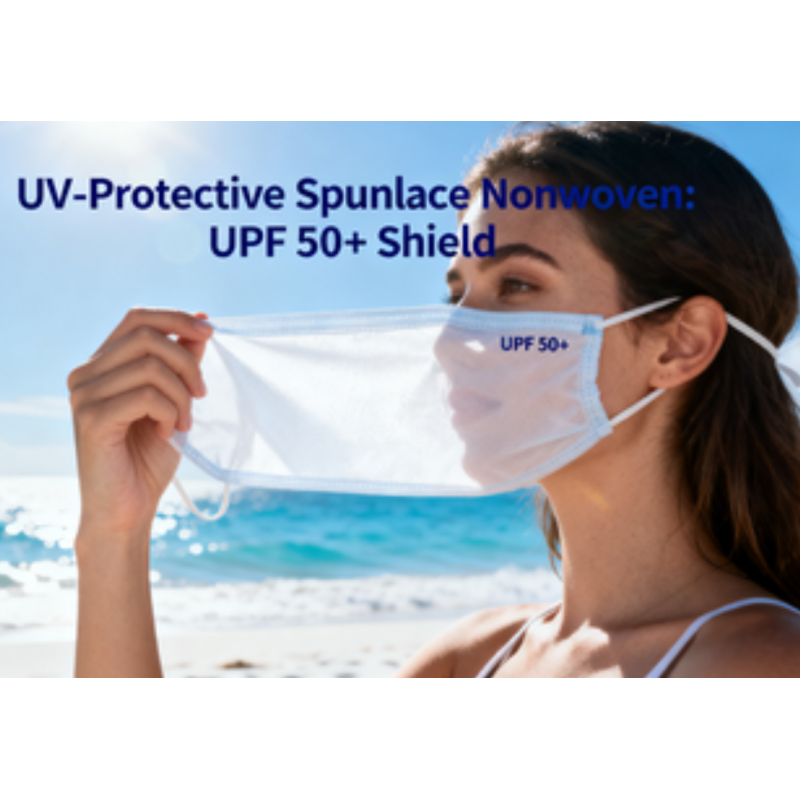
Consistently achieves UPF 50+ with UVA blocking ≥98% and UVB blocking ≥99%. It provides complete shielding against skin tanning, sunburn, and photo-aging, ideally suited for high-altitude zones, coastal environments, and intense summer exposure.
Deep additive penetration into fibers enables the fabric to maintain UPF 40+ after 20 washes. After 300 hours of continuous direct UV exposure, performance degradation remains below 10%, lowering replacement cycles and environmental waste.
Overcoming the heavy, impermeable drawbacks of conventional coated fabrics, our material remains lightweight, highly ventilated, and skin-friendly. Even above 35°C, it releases sweat and body heat effectively.
Certified non-toxic, non-irritating, and free from hazardous residues. Pure cotton and bamboo blends provide natural biodegradability, matching eco-friendly consumer preferences and global environmental regulations.
IV. Core Application Fields: Empowering Multi-Scenario UV Protection
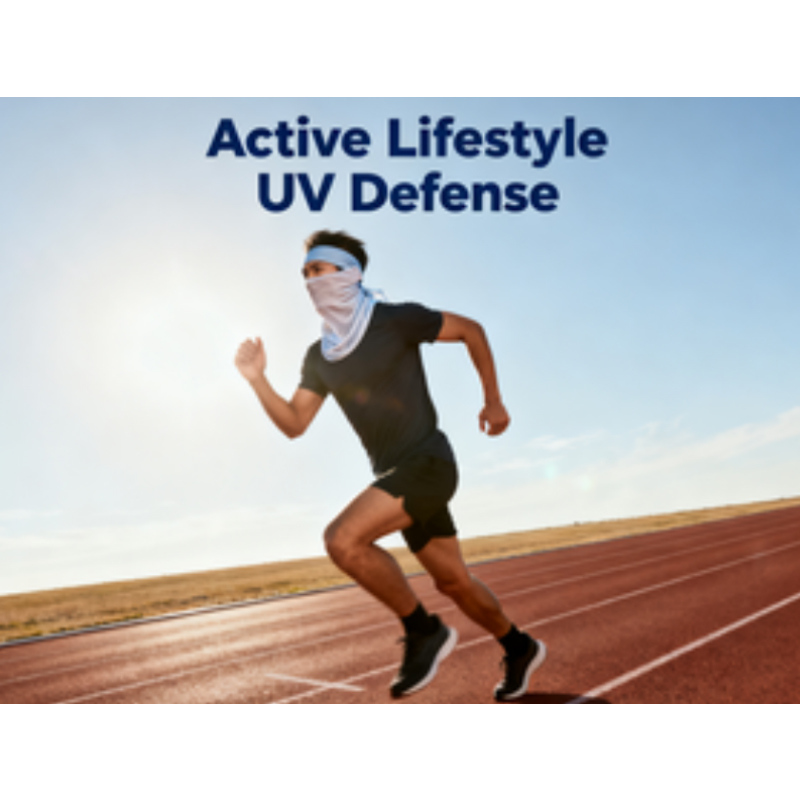
Utilizes viscose, cotton, and bamboo bases for sun protective clothing, masks, arm sleeves, and infant apparel. Delivers UPF 50+ defense while staying cool, dry, and gentle on sensitive skin during hiking, climbing, and watersports.
Constructed from polyester-viscose blends for interior curtains, shades, and balcony sun blocks. Filters UV radiation, shielding indoor flooring and furniture from photo-aging while moderating indoor room temperatures.
Engineered with robust 80% polyester + 20% bamboo fiber blends for crop covers and shading nets. Protects young shoots, delicate fruits, and vegetables against leaf scorching, water loss, and heavy weather conditions.
Applied in athletic sun vests, cycling suits, and golf gloves. Combines efficient moisture transmission with high UV protection to keep athletes comfortable and protected during prolonged training sessions.
V. Brand Commitment: Permanently Upholding Quality, Mutual Benefit and Win-Win
Changshu Yongdeli Spunlace Nonwoven Fabric Co., Ltd. continuously upholds "sustainable quality" across every production stage:
All fiber supplies and UV protection agents require rigorous incoming inspection, safety certificates, and non-toxicity reports before entering the production line.
Equipped with advanced UPF analyzers, breathability meters, and wash-durability testers to perform real-time verification and maintain uniform quality batch-by-batch.
Complete end-to-end service including consultation, custom sample synthesis, scalable industrial manufacturing, and continuous technical support.
In the future, we will continue to be guided by customer needs, deepening the optimization of spunlace base material characteristics (such as developing thinner, more elastic sun protection base materials), and upgrading sun protection additive technology (such as improving sun protection durability and reducing costs). We are committed to becoming a reliable quality, flexible customization, and professional service supplier in the field of anti-ultraviolet/sun protection spunlace nonwoven fabrics, working hand in hand with customers to achieve mutual benefit and promote the innovation of the functional nonwoven industry.
Frequently Asked Questions (FAQ)
Our fabric stably reaches a UPF 50+ rating, blocking over 98% of UVA and 99% of UVB rays, complying with the highest sun protection standards for textiles.
Thanks to our immersion and pressing process that deeply integrates additives into the fibers, the fabric maintains a UPF value of 40+ even after 20 industrial wash cycles.
Yes. All fiber inputs comply with OEKO-TEX® Standard 100, containing zero formaldehyde or harmful heavy metals. The anti-UV additives have passed skin irritation testing without causing redness or itching.
Yes, basis weights are adjustable between 35 and 200 g/m². We offer customizable raw material blends combining polyester, viscose, pure cotton, and bamboo fiber based on your application needs.
Unlike traditional thick coatings that seal the surface, our specialized immersion process leaves the porous, entangled fiber mesh open, preserving the base material's natural air permeability (1500–2200mm/s).
It is widely used across outdoor apparel (sun shirts, masks, arm sleeves), agricultural shading covers, residential light-filtering curtains, and specialized sportswear.









