
High-Quality Off-line Dyed Spunlace Nonwoven Fabric Products Manufacturers, Factories
Product Description
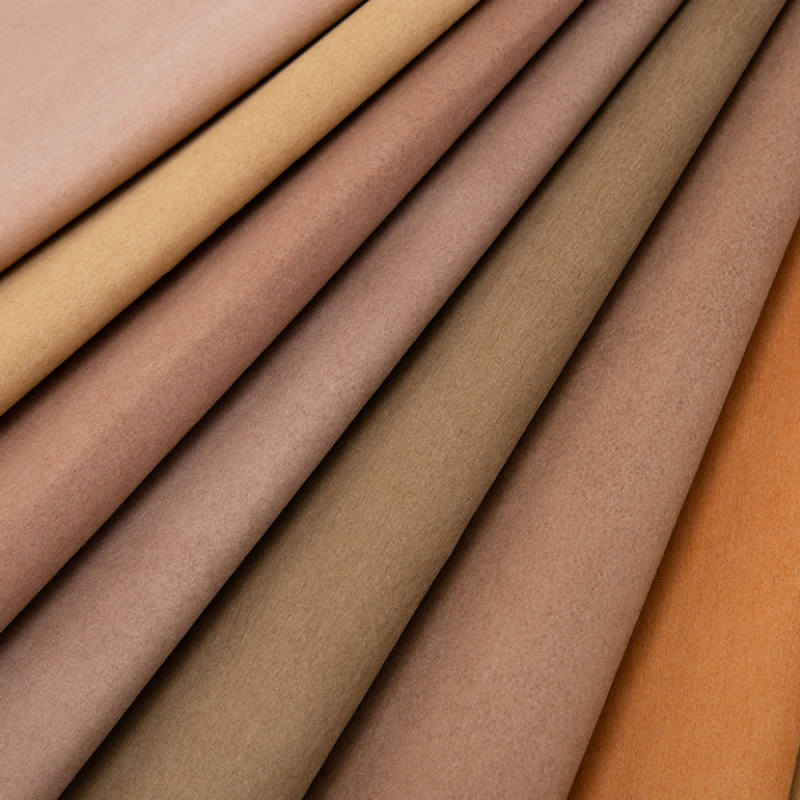
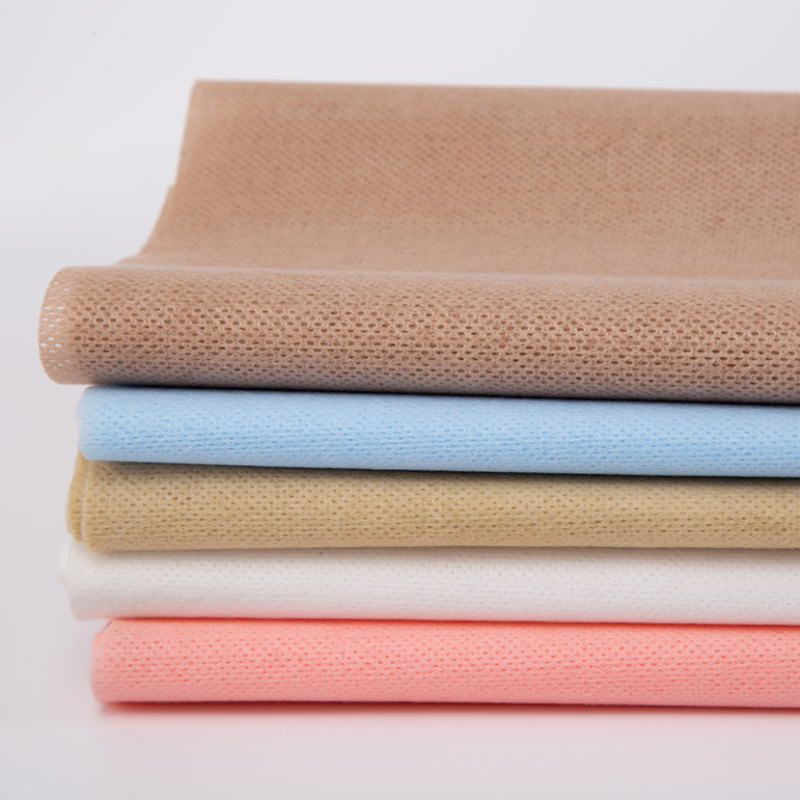
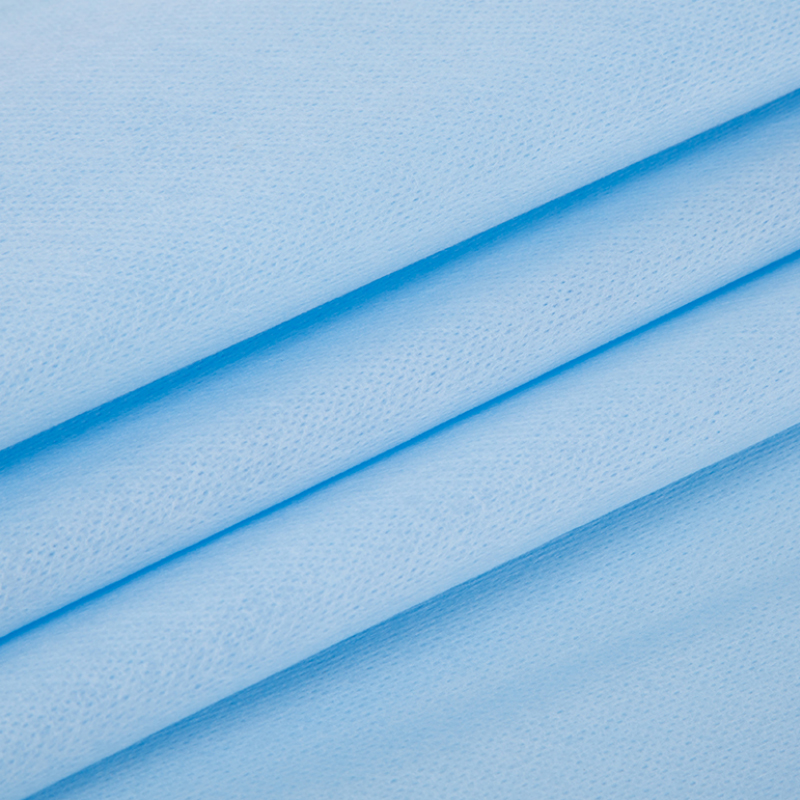
Changshu Yongdeli Spunlaced Nonwoven Fabric Co., Ltd. has been deeply engaged in the spunlace nonwoven fabric industry for many years. With its dedication to process innovation and strict control over product quality, it has formed a differentiated competitive advantage in the field of dyed spunlace nonwoven fabrics. The company has broken through the limitations of traditional on-line dyeing processes and adopted a unique off-line dyeing process (producing white spunlace nonwoven fabric first and then dyeing it through an independent dyeing production line), using polyester, viscose, and bamboo fiber as core raw materials to create dyed spunlace nonwoven fabrics with high dyeing uniformity, no color difference, and excellent color fastness. This product retains the softness, breathability, and skin-friendliness of spunlace nonwoven fabrics while offering quality advantages brought by "off-line dyeing", making it widely applicable in home decoration, hygiene products, beauty care, gift packaging, and other fields, providing customers with "high stability + personalized color" material solutions.
I. Process Flow of Off-line Dyed Spunlace Nonwoven Fabric (Core Difference: Fabric Production First, Then Dyeing)
The core advantage of the off-line dyeing process lies in "producing a uniform white base fabric first and then precise dyeing", avoiding the color difference problems caused by uneven fiber dispersion in traditional on-line dyeing (dyeing fibers before fabric formation). Changshu Yongdeli Spunlaced Nonwoven Fabric Co., Ltd. ensures consistent color and stable quality of each batch of products through full-process refined control. The specific process is as follows:
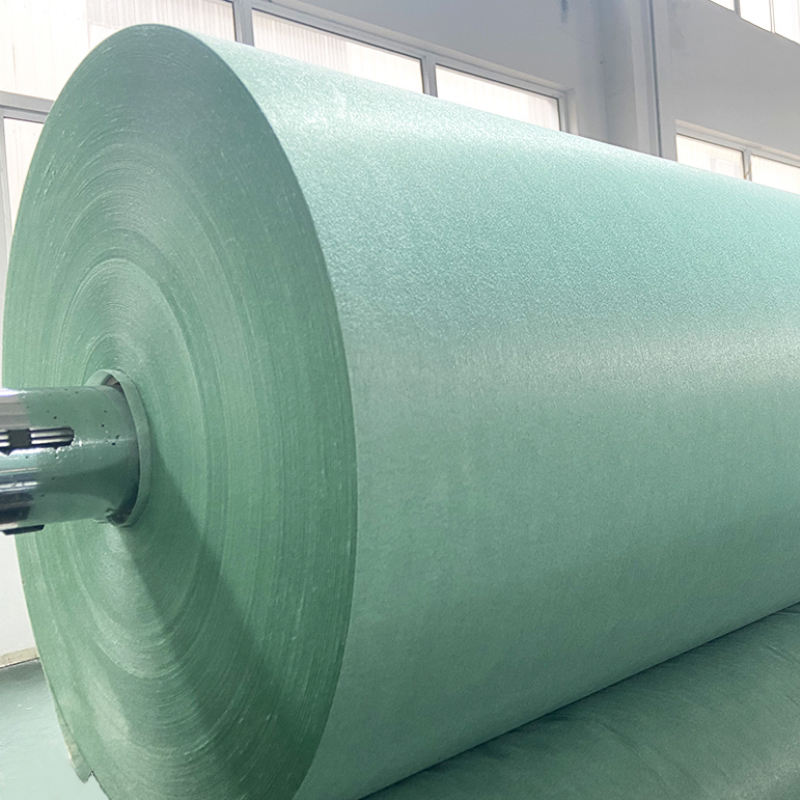
Production of White Spunlace Nonwoven Fabric Base (Basic Guarantee Link):
Off-line Dyeing Treatment (Core Advantage Link, Independent Production Line):
Precise Dyeing by Type: According to the type of base fabric raw materials, suitable environmentally friendly dyeing processes are adopted. Due to the uniform structure of the base fabric, the dye adsorption is more consistent:
Viscose/Bamboo Fiber Base Fabric (Immersion Dyeing Process): The base fabric is completely immersed in the environmentally friendly water-based dye slurry, controlling the temperature (viscose 60-80°C, bamboo fiber 50-70°C), pH value (4.5-5.5), and dyeing time (30-60 minutes). A variable-frequency stirring device is used to drive the dye to circulate evenly, ensuring that every inch of the base fabric is fully exposed to the dye, avoiding uneven dyeing in local areas;
Polyester Base Fabric (Disperse Dyeing Process): The base fabric is placed in a high-pressure dyeing tank, and environmentally friendly disperse dyes are injected. The temperature (120-130°C), pressure (0.2-0.3 MPa), and time (40-80 minutes) are controlled to allow the dye molecules to evenly penetrate the polyester fibers. Due to the uniform structure of the base fabric, the dye penetration depth is completely the same, with no depth differences. Blended base fabric (segmented dyeing process): Firstly, the viscose/bamboo fiber components are treated with low-temperature immersion dyeing, followed by high-temperature and high-pressure disperse dyeing for the polyester components. Due to the uniform overall structure of the base fabric, the adsorption ratio of the two dyes on different fiber components is consistent, avoiding the common "local color spots" problem in blended products.
Fixation and washing: After dyeing, the base fabric is sent to the fixation equipment, and an environmentally friendly fixation is added (at a temperature of 80-90°C for 20-30 minutes) to ensure the dye firmly bonds with the fibers. Subsequently, multiple water washes (at a water temperature of 30-40°C) are carried out to remove surface excess dye. The color of the washing water is monitored in real-time by a colorimeter until the water becomes clear, ensuring no residual floating color and preventing color fading in subsequent use.
Post-treatment and slitting (quality enhancement stage):
Functional post-treatment: According to customer requirements, softening treatment (adding an environmentally friendly softener to enhance skin-friendliness), anti-static treatment (suitable for electronic packaging), and water-repellent treatment (suitable for outdoor decoration) are carried out. The compatibility of post-treatments with dyes has been strictly tested to ensure no impact on color stability and color fastness.
Precise slitting and quality inspection: The base fabric is slit into rolls or sheets of the preset width (1-3.2m) and length using a high-precision slitting machine. The slitting process adopts tension closed-loop control to prevent color distortion caused by fabric stretching. The quality inspection stage focuses on checking the dyeing uniformity (measured by a color difference meter, with the color difference ΔE of the same batch of products ≤1.0, far exceeding the industry standard of ΔE≤1.5) and color fastness (water washing, light, and friction resistance all ≥4 levels), ensuring that each roll of product has no color difference or defects.
II. Core Advantages of Offline Dyeing Process (Compared to Online Dyeing on the Market)
The online dyeing process on the market often leads to local agglomeration of fibers during the carding and web formation process, resulting in "color spots, color flowers, and uneven color" on the fabric surface after dyeing. In contrast, the company's offline dyeing process first produces a structurally uniform white base fabric, where the fiber density and thickness in every inch of the fabric are completely consistent. The dye is evenly adsorbed and penetrated on the surface of the base fabric. The color difference of the same batch of products is ΔE≤1.0, and the color difference between different batches is ΔE≤1.2, completely solving the common color difference problem in the industry, especially suitable for large-volume orders with high requirements for color consistency (such as brand custom colors, unified color schemes for home decoration).
In the online dyeing process, due to uneven dispersion of some fibers, the dye only adheres to the surface of the fibers, making it prone to color fading after washing. In the offline dyeing process, the white base fabric has a tight and uniform structure, allowing the dye to fully penetrate into the fiber interior. Combined with the environmentally friendly fixation process, the product's water washing color fastness is ≥4.5 levels (no significant fading after 10-15 washes), friction color fastness is ≥4 levels (no color loss after 500 dry rubs and 300 wet rubs), and light fastness is ≥4 levels (no color change after 300 hours of outdoor exposure), far exceeding the average level of online dyeing products on the market (water washing color fastness 3-4 levels), suitable for high-frequency cleaning or outdoor use scenarios.
The online dyeing process is limited by the requirement that "fibers need to be quickly formed into fabric after dyeing," making it difficult to accommodate multiple fiber blends (such as viscose and polyester blends, which are prone to color differences due to different dyeing temperatures). In contrast, the offline dyeing process dyes the fabric after it is formed, allowing for the flexible production of pure polyester, pure viscose, pure bamboo fiber, and any proportion of blended white base fabrics. Then, the dyeing process is matched according to the characteristics of the raw materials, easily achieving "one base fabric, multiple colors" and "multiple raw materials, same color dyeing," meeting customers' diverse combinations of raw materials and colors.
The online dyeing process in the market requires changing the fiber dyeing formula and web forming parameters. For small batch orders (such as tens to hundreds of meters), the cost is high and the cycle is long (7-10 days). In the company's offline dyeing process, the base fabric in its natural white color can be produced in bulk in advance and stored. After receiving small batch dyeing orders, only the dyeing parameters need to be adjusted to quickly produce the products. The sampling cycle is shortened to 3-5 days, and the cost of small batch orders is reduced by 20%-30%, which is more suitable for customers' personalized and small batch customization needs.
III. Characteristics of Offline-Dyed Spunlace Nonwoven Fabrics
Pure color surface, no defects: Due to the uniform base fabric and no residual floating color during the dyeing process, the color purity of the fabric surface is high, with no color spots, color streaks, or local color differences. The color reproduction rate is over 98% (compared with the Pantone color card), making it suitable for high-end home decoration (such as curtains and tablecloths) and luxury gift packaging where appearance is strictly required, enhancing the visual quality of the products.
Softer touch and better skin-friendliness: In the offline dyeing process, the base fabric is first fully water-jet strengthened and shaped, with the fibers tightly and evenly entangled. After dyeing, an eco-friendly softener is added, making the product feel soft and delicate. The skin feel score (according to ISO 12826 standard) is above 4.8. There is no irritation when in contact with the skin. For example, viscose fiber offline-dyed products are used in the surface layer of baby diapers, and bamboo fiber offline-dyed products are used in adult facial tissues, both providing a more comfortable experience.
Stronger processing adaptability and no risk in subsequent processing: Products from online dyeing in the market may have color difference issues, which can lead to "uneven color superposition" during subsequent printing and lamination. However, the company's offline-dyed products have uniform colors, no local color loss during cutting, no color deformation due to high temperature during heat sealing, good compatibility between ink and fabric color during printing (allowing precise pattern superposition), and tight adhesion with films and other nonwoven fabrics during lamination without color migration. This significantly reduces the processing risks for downstream customers and improves production efficiency.
High batch stability and controllable quality: In the offline dyeing process, the production and dyeing of the base fabric are completely independent. Each batch of base fabric undergoes strict uniformity testing, and the dyeing process is monitored in real-time by an online colorimeter to ensure that the color and performance of different batches of products are highly consistent. When customers purchase long-term, they do not need to worry about inconsistent product appearance due to batch differences, which is especially suitable for brand customers to establish a unified product visual image.
IV. Weight Range and Raw Material Compatibility of Offline-Dyed Spunlace Nonwoven Fabrics
The offline-dyed spunlace nonwoven fabrics produced by Changshu Yongdeli Spunlaced Nonwoven Fabric Co., Ltd. cover a weight range of 25g/㎡ to 150g/㎡ and can be flexibly adjusted according to the type of raw material and application scenarios. The weight range, raw material compatibility characteristics, and applicable scenarios are as follows:
Low weight products (25g/㎡ - 45g/㎡): The raw materials are mainly viscose and bamboo fibers. The base fabric is thin and uniform, and after dyeing, the color is bright and the breathability is excellent (breathability ≥ 400L/m²・s). They are mainly used in the surface layer of hygiene products (such as the surface layer of baby diapers and feminine hygiene products, customizing soft pastel color series), beauty care products (such as cotton pads and makeup remover pads, printing brand-specific colors), and medical auxiliary materials (such as disposable medical caps and the inner layer of masks, customizing light color series). For example, 30g/㎡ bamboo fiber offline-dyed products, due to their uniform color and skin-friendliness, have become the preferred material for the surface layer of a certain high-end baby brand's diapers. Raw materials can be selected from polyester-viscose blends, pure viscose, and pure bamboo fiber. The base fabric in natural white is both lightweight and strong, and after dyeing, it has excellent color fastness to washing, making it suitable for household cleaning cloths (such as kitchen cleaning cloths, bathroom wiping cloths, with custom bright colors), wet wipe base materials (such as adult care wet wipes, makeup removal wet wipes, with custom brand colors), and gift packaging linings (such as for cosmetics and jewelry, with custom high-end color schemes). For instance, a 60g/㎡ polyester-viscose blend offline dyed product has stable batch colors and has been a long-term supplier of cleaning cloth base materials for a certain home brand.
High GSM products (101g/㎡ - 150g/㎡): The raw materials are mainly polyester or high-proportion polyester-viscose blends. The base fabric in natural white is strong and has good stiffness. After dyeing, it has excellent weather resistance (-20℃ - 60℃ stable performance), making it suitable for home decoration main materials (such as tablecloths, placemats, curtain fabrics, with custom large-area solid colors or patterns), outdoor decoration materials (such as balcony sunshade fabrics, garden decoration fabrics, with custom light-resistant color schemes), and industrial packaging fabrics (such as high-end electronic product packaging fabrics, with custom brand logo colors). For example, a 120g/㎡ polyester offline dyed product, due to its lack of color difference and excellent sun resistance, has been used by a certain outdoor home brand for garden decoration fabric production.
V. Application Market Scope of Offline Dyed Spunlace Nonwoven Fabrics
VI. Company Process Assurance and Service Commitment
Changshu Yongdeli Spunlaced Nonwoven Fabric Co., Ltd. has established a full-chain quality control system for the offline dyeing process, namely "base fabric - dyeing - finished product". In the base fabric production stage, laser thickness gauges and density detectors are equipped to ensure the uniformity of the base fabric. During the dyeing stage, online color difference meters and fixation detection instruments are used to monitor color and color fastness in real time. In the finished product stage, color difference, color fastness, and environmental protection indicators (compliant with EU REACH regulations, GB 18401-2010 Class A standards, formaldehyde ≤ 20mg/kg, heavy metals ≤ 10mg/kg) are tested by third-party authoritative institutions (SGS, CNAS) to ensure product compliance.
At the same time, the company offers differentiated services: supporting Pantone color card precise color matching, small batch sampling of 1-5 meters (cycle 3-5 days) to meet customers' trial production needs; for bulk orders, customizing base fabric textures (such as plain weave, mesh, embossed) and functional finishing (antibacterial, waterproof, antistatic) to achieve "base fabric structure + color + function" integrated customization; providing process consultation services to customers, assisting in optimizing downstream processing solutions, and solving processing problems of dyed products.
In the future, Changshu Yongdeli Spunlaced Nonwoven Fabric Co., Ltd. will continue to optimize the offline dyeing process, develop technologies such as "ultra-fine color difference control" and "environmentally friendly low-temperature dyeing", and expand applications in high-end medical decoration, luxury packaging, smart wearable fabrics and other fields. With the unique advantages of "offline dyeing", it will provide global customers with higher-quality and more stable dyed spunlace nonwoven fabric solutions, helping customers enhance product competitiveness.
Frequently Asked Questions (FAQ)
Traditional online dyeing dyes the loose fibers before web formation, which often causes color spots and streaks due to uneven fiber blending. Offline dyeing produces a strictly uniform, high-grade white spunlace base fabric first, and then dyes it in an independent line. This guarantees uniform dye absorption and completely resolves color variations.
The offline dyeing method delivers a color difference within the same batch of ΔE ≤ 1.0, and between different batches of ΔE ≤ 1.2. This exceeds the conventional industry benchmark of ΔE ≤ 1.5, ensuring exceptional visual consistency across bulk volumes.
The fabrics utilize pure polyester, viscose, bamboo fibers, and custom blended compositions. The product weight ranges from 25g/㎡ up to 150g/㎡, making it suitable for applications spanning from delicate personal care items to heavy-duty home decor.
Yes. Environmentally friendly water-based and disperse dyes are utilized alongside advanced washing systems that eliminate unbound residue. The fabrics comply with EU REACH regulations and GB 18401-2010 Class A standards (formaldehyde ≤ 20mg/kg, heavy metals ≤ 10mg/kg).
Because white base fabrics are kept pre-manufactured in stock, custom color matching according to Pantone standards only requires adjusting the dyeing parameters. Small-batch trials (1-5 meters) can typically be completed within 3 to 5 days.
The offline-dyed fabric features excellent dimensional stability and no color loss during slitting or heat-sealing. The base fabric shows high ink compatibility during subsequent printing processes and zero color bleeding or migration when laminated with other substrates.









