
China Flame Retardant Spunlace Nonwoven Fabrics Factories, Product
Product Description
As the core advantage product of the company, flame-retart spunlace nonwoven fabrics have achieved a dual breakthrough in characteristics in terms of safety performance and scene adaptability. The core advantages are particularly prominent:
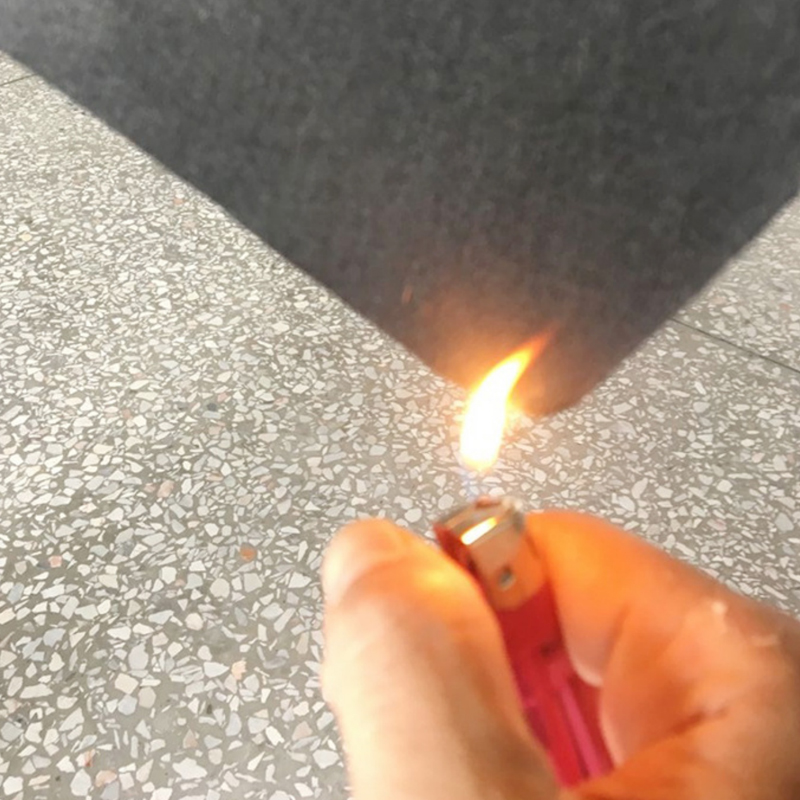
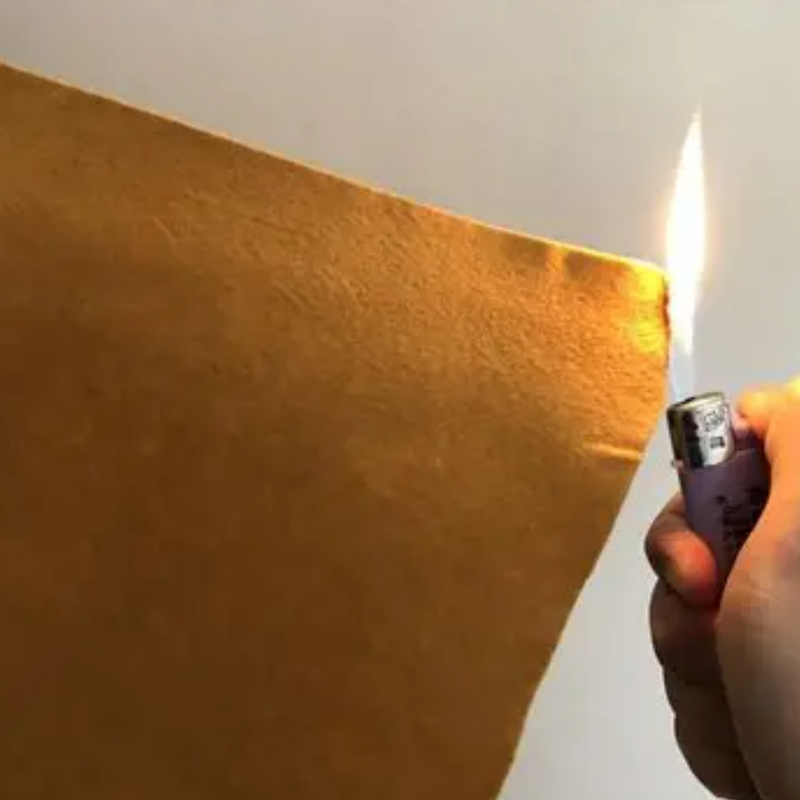
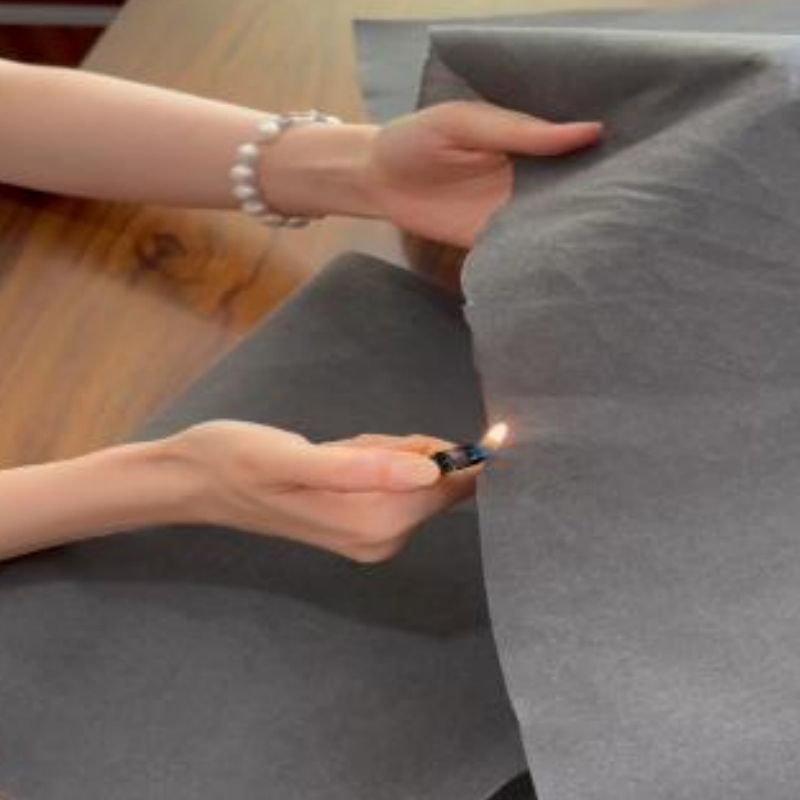
The product supports customizing different flame-retart grades according to specific customer needs, from basic flame retarcy to high-grade fire protection standards, which can be precisely matched according to the corresponding industry flame retart specifications. When exposed to fire, it can effectively suppress combustion, slow down the spread of flames, and reduce smoke and toxic gas emissions, building a safety defense line for the usage scenarios.
For different cost budgets and usage scenarios, two exclusive flame-retart solutions are provided - ① Products produced using flame-retart fibers, although slightly more expensive, have excellent washability performance, can be reused multiple times, and have a stable and long-lasting flame-retart effect; ② Post-treatment processing method of adding flame-retart s to the nonwoven fabric after forming, has more competitive cost advantages, and is flexible in order of placement, able to meet the rapid delivery requirements for small and medium batch orders.
Relying on the flexible combination of high-quality substrates such as polyester, viscose, pre-oxidized silk, and aramid, the products not only ensure flame retarcy but also have rich additional properties - polyester enhances product strength and durability, viscose optimizes moisture-wicking and touch feel, pre-oxidized silk strengthens heat resistance and basic flame retarcy, and aramid gives the product ultra-high strength and stability in extreme environments, allowing for customized substrate combinations to achieve a perfect balance between flame retarcy and practicality.
With the core advantages of the spunlace process, the internal fibers of the products are closely combined, having excellent tensile strength and tear strength, uniform texture, soft feel, good drape and molding properties, and can be adapted to various processing methods such as cutting, sewing, and composite, meeting the production requirements of different scenarios.
The outstanding quality of flame-retart spunlace nonwoven fabrics stems from the company's precise control of production processes and dual-track innovative design. The entire production process follows the principle of "refined management and full-process quality control", and the core processes are divided into two paths according to the flame-retart methods. Key links are as follows:
In terms of raw material selection, the company adheres to the concept of "quality originates from the foundation", choosing polyester, viscose, pre-oxidized silk, aramid, and other high-quality substrates for the flame-retart spunlace nonwoven fabrics. Polyester gives the products excellent strength and durability, ensuring that they are not prone to damage during use; viscose enhances the moisture-wicking and breathability of the fabric, providing a comfortable touch experience; pre-oxidized silk, as a high-performance flame-retart substrate, has excellent heat resistance and flame retart effects, maintaining structural stability in extreme high-temperature environments; aramid is known for its ultra-high strength and excellent flame retarcy, suitable for scenarios with strict safety requirements. The flexible combination of multiple substrates can be customized according to different application scenarios, ensuring product quality and adaptability from the source.
With reliable flame-retart performance, flexible process selection, and excellent comprehensive quality, the company's flame-retart spunlace non-woven fabric has been widely used in various industries such as home textiles, building materials, medical care, industry, and public safety, becoming the core material for safety protection in each field:
Can be used for making mattress inner linings, sofa fillings, curtains, carpets, etc. Products made with the flame-retart fiber process are water-resistant and reusable, suitable for long-term home usage; post-treatment flame-retart process products can meet small-batch customization needs, effectively preventing fire hazards in homes and improving living safety levels.
As wall insulation materials, ceiling decoration materials, pipe wrapping materials, etc. The products have both flame-retart and insulation properties, effectively blocking the spread of fire and reducing building fire risks. They are widely used in commercial buildings, residential projects, etc., meeting the diverse cutting and installation requirements of construction.
Used for making disposable surgical gowns, protective pads, medical bed sheets, etc. Combining viscose and other skin-friendly base materials with the environmentally friendly flame-retart process, the products have no odor, no harmful residues, and the flame-retart performance can prevent accidental burning caused by open flames (such as electric scalpels) during surgeries, ensuring safety in medical scenarios.
Producing industrial protective clothing, workshop fireproof fabric, equipment high-temperature wrapping fabric, etc. For high-temperature, flammable, and explosive industrial scenarios such as chemical, metallurgy, welding, etc., products made with pre-oxidized silk, aramid, etc., can effectively resist high temperatures, sparks, etc. Flame-retart fiber models can be washed repeatedly, reducing enterprise protection costs; post-treatment models are suitable for small-batch, multi-specification temporary protection needs.
Used for seat covers, decorative fabrics, emergency protective blankets, etc. in crowded places such as subways, high-speed railways, theaters. The products have high flame-retart grades, can quickly extinguish fires and reduce toxic smoke when exposed to fire, providing time for evacuation and meeting strict safety standards in public places.
Changshu Yongdeli Spunlaced Nonwoven Fabric Co., Ltd. has always adhered to the principle of "quality first, customer supreme". Through strict selection of raw materials, precise control of the double flame retart process and full-process quality management, the flame-retart spunlace nonwoven fabric can play a core role in safety protection in various industries. In the future, the company will continue to deepen its research and development in flame retart technology, optimize process costs and performance, and provide more customers with more competitive solutions of flame-retart spunlace nonwoven fabric.









