
+86 180 1816 5529 [email protected] Changshu, Jiangsu, China

10 Best Polyester Spunlace Nonwoven Fabric Companies?

Time:2026-10-15 Author:Isabella
0%

Choosing the right polyester spunlace nonwoven supplier can shape product quality, production stability, and customer trust. This material appears in wipes, medical textiles, hygiene products, filtration layers, and durable cleaning cloths. Its softness, strength, absorbency, and finishing options make supplier selection more important than a simple price comparison.

This guide examines 10 Best Polyester Spunlace Nonwoven Fabric Companies through practical purchasing criteria. These include fiber quality, web uniformity, hydroentanglement performance, roll consistency, customization, testing, certifications, and delivery capability. A reliable Polyester Spunlace Nonwoven Fabric Company should provide clear technical data, responsive communication, and traceable quality controls. Factory experience also matters when specifications change, such as adjusting basis weight, width, color, or surface texture.

Real performance is often visible in small details. A clean roll edge reduces handling problems. Even embossing improves appearance. Stable tensile strength supports high-speed converting. These details matter.

No ranking can fit every buyer. A medical supplier may prioritize controlled production and documentation, while a household-wipe manufacturer may focus on softness, absorbency, and cost. Some companies communicate excellently but offer limited customization. Others produce impressive samples yet struggle with consistent delivery. That difference deserves attention. This overview therefore presents useful comparisons rather than absolute conclusions. Buyers should verify current certifications, test samples under actual conditions, and confirm production capacity before signing agreements. Supplier information can change. Careful checking remains essential.
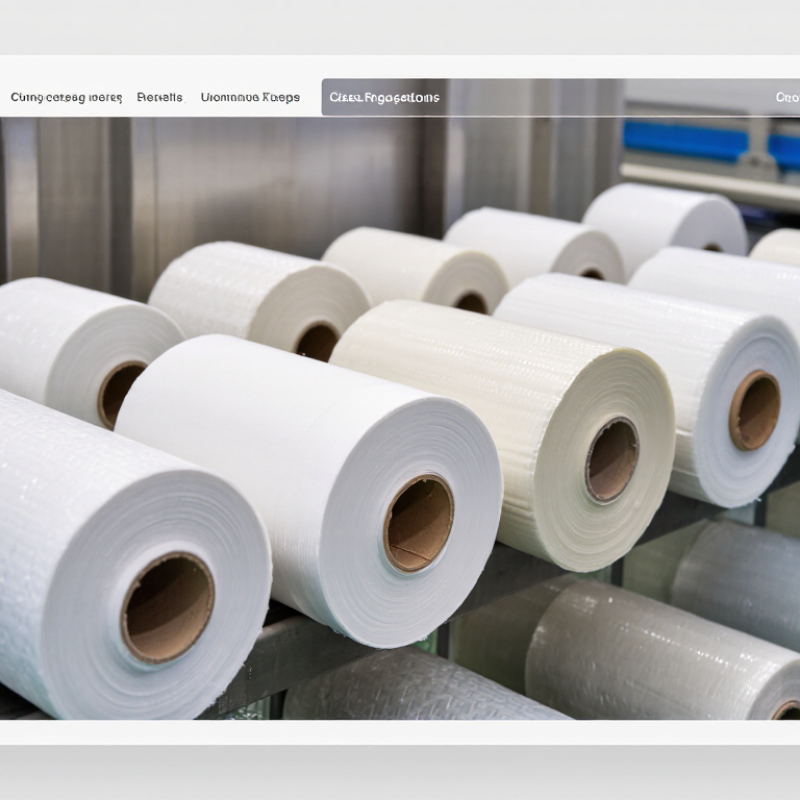
10 Best Polyester Spunlace Nonwoven Fabric Companies?

What Is Polyester Spunlace Nonwoven Fabric?

Polyester spunlace nonwoven fabric is made by entangling polyester fibers with high-pressure water jets. Unlike woven cloth, it has no yarn grid. The fibers lock together through mechanical bonding, creating a soft, flexible sheet with useful strength. It can feel smooth like a clean wipe, yet remain stable during handling. Polyester also resists moisture, many mild chemicals, and repeated bending. These traits support applications in filtration, hygiene products, medical packaging, industrial wipes, and protective linings.

Fabric performance depends on fiber length, web weight, jet pressure, and finishing treatment. A heavier 80 gsm sheet may handle scrubbing better than a lighter 40 gsm grade. However, softness can decrease as strength increases. This trade-off is easy to overlook. In practical testing, check tear resistance, absorbency, lint release, thickness, and dimensional stability after wetting. Ask suppliers for technical data and independent test records. Do not rely on appearance alone; a bright, even surface can still hide weak bonding or uneven weight.

Tips: Match the fabric to its end use, not just its price. Request small samples first. Test them under real pressure, moisture, and storage conditions. Confirm roll width, core size, packaging, and production consistency. One sample roll rarely tells the whole story. Humidity, finishing agents, and machine settings may change the final result. A careful comparison should include several production lots.

How to Evaluate Polyester Spunlace Fabric Manufacturers

How to Evaluate Polyester Spunlace Fabric Manufacturers

Choosing among the 10 best polyester spunlace nonwoven fabric companies requires more than comparing prices. I examine production records, raw material traceability, and process consistency. A capable manufacturer should explain fiber specifications, web formation, water-jet pressure, and drying controls clearly. Ask for recent test reports, not copied documents. Check basis weight, thickness, tensile strength, elongation, absorbency, and lint levels. Small variations can affect converting performance.

I also request samples from different production lots. One attractive sample proves little. Test each roll under practical conditions, including slitting, folding, printing, or liquid handling. Review the factory’s inspection points and calibration records. Reliable suppliers usually track defects with batch numbers and retain reference samples. Their technical staff should discuss causes, not only offer replacement material. That distinction often reveals genuine process knowledge.

Factory visits can expose details that brochures hide. Look for clean storage, sealed packaging, labeled pallets, and organized humidity control. Ask how they handle fiber shortages, equipment downtime, and quality complaints. Fast answers are not always good answers. A written corrective-action report is more useful than a confident promise. Certifications may support credibility, but verify their scope and expiration dates. I would also compare lead times, minimum order quantities, payment terms, and communication speed. No checklist is perfect. My own evaluation can still miss a hidden variation between trial and full-scale production. That is why independent testing and a controlled first order remain sensible safeguards.

Top 10 Polyester Spunlace Nonwoven Fabric Companies

Top 10 Polyester Spunlace Nonwoven Fabric Companies

The top 10 polyester spunlace nonwoven fabric companies are being judged by more than production volume. Buyers now examine fiber consistency, web uniformity, tensile strength, and delivery reliability. A good supplier should provide batch records, test reports, and clear technical support.

Grand View Research estimates the global nonwoven fabric market will grow strongly through 2030, supported by hygiene, filtration, medical, and industrial demand. Smithers also identifies sustainability and lighter structures as important development areas. These trends influence how the top ten companies compete. Their strongest facilities commonly use automated carding, hydroentanglement, drying, and inspection systems. Polyester remains useful where dimensional stability and controlled absorbency matter.

Performance matters most.

In practical testing, fabric rolls should show even thickness under repeated measurements. Edges should remain firm, without loose fibers or hard compressed zones. Some suppliers offer recycled polyester options, but recycled content can affect strength and whiteness. That trade-off needs honest testing.

I have found that attractive samples sometimes hide weak wet tensile performance. This is easy to miss. A responsible ranking should therefore compare certificates, production capacity, customization ability, complaint handling, and actual application results. Reported market data is helpful, yet regional figures and company disclosures may differ. That limitation deserves attention when selecting among the leading ten suppliers.

Key Differences Among the Selected Companies

The ten selected polyester spunlace nonwoven fabric companies differ mainly in process control, product range, and service depth. Some specialize in soft, absorbent rolls for wipes, while others focus on durable industrial sheets. Their fiber blends also vary. Polyester content can improve strength, dimensional stability, and resistance to repeated handling. However, higher strength does not always mean better performance.

Production equipment creates another clear difference. Advanced lines may provide more uniform web formation and cleaner bonding. This can reduce loose fibers during cutting or use. Smaller producers may offer faster customization, especially for unusual widths, colors, or surface patterns. Yet their batch consistency may require closer inspection. That trade-off deserves attention.

Quality evidence separates experienced suppliers from ordinary sellers. Reliable companies usually provide basis-weight data, tensile results, thickness records, and batch traceability. Testing should cover both machine and cross directions. Moisture behavior also matters when fabric is used for cleaning products or filtration layers. I would not judge a supplier from a sample alone. One attractive roll can hide uneven edges, fluctuating weight, or weak repeatability.

Pricing reflects more than raw material cost. Delivery planning, packaging quality, technical support, and minimum order quantities can change the real purchase value. Some companies communicate clearly during sampling. Others respond slowly, which may signal future coordination problems. No ranking is perfect. Application testing remains necessary before long-term approval.

How to Choose the Right Supplier for Your Needs

Choosing a polyester spunlace supplier requires more than comparing prices.
Grand View Research estimates the global nonwoven fabrics market will expand at about 7.8% annually through 2030. That growth attracts new producers, but capacity does not guarantee consistency. Ask for recent test reports covering basis weight, tensile strength, elongation, absorbency, and lint release. Request samples from different production lots. One roll can look excellent.

Verify the supplier’s process control. Check fiber origin, web-forming technology, hydroentanglement pressure, drying temperature, and roll humidity. For medical, hygiene, or cleaning applications, confirm relevant quality systems and product testing. ISO 9001 certification can support traceability, but it is not proof of fabric performance.

Review corrective-action records, inspection frequency, and retention samples. Small details matter.

Smithers reports continued demand growth for nonwovens in wipes, filtration, and healthcare applications, increasing pressure on reliable supply. Therefore, evaluate monthly capacity, lead times, packaging protection, and backup production plans. Ask how the supplier handles shade variation and edge damage. These problems are easy to overlook.

A landed-cost calculation should include freight, waste, testing, and rejected rolls. The cheapest quotation may become expensive after conversion. No supplier scores perfectly, and buyers sometimes overvalue polished presentations.

A factory visit, independent laboratory test, and a clear trial order reveal more.

FAQS

What should buyers examine before choosing a polyester spunlace fabric manufacturer?

Review production records, raw material traceability, and process consistency. Ask about fiber specifications, web formation, water-jet pressure, and drying controls. Clear answers matter.

Which fabric properties should be tested?

Test basis weight, thickness, tensile strength, elongation, absorbency, and lint levels. Small differences can affect slitting, folding, printing, and liquid handling. Performance matters most.

Why should buyers request samples from several production lots?

One attractive sample proves little. Samples from different lots reveal variation in thickness, strength, and surface quality. Samples can mislead.

How can practical testing reveal hidden fabric problems?

Run the material through actual converting conditions. Check edge firmness, loose fibers, hard compressed zones, and wet tensile performance. Some weaknesses appear only after handling.

What factory conditions indicate better production control?

Look for clean storage, sealed packaging, labeled pallets, and organized humidity control. Inspection points and calibration records should be available. Details matter.

How should a supplier handle quality complaints?

Ask for batch numbers, retained reference samples, and written corrective-action reports. Technical staff should explain possible causes, not only promise replacement. Fast answers are not always good answers.

Are certificates enough to confirm a manufacturer’s reliability?

Certificates can support credibility, but verify their scope and expiration dates. Recent test reports are more useful when they match the supplied production batch. Documents need checking.

What commercial factors should buyers compare?

Compare lead times, minimum order quantities, payment terms, customization options, and communication speed. A controlled first order reduces risk. I may still miss hidden full-scale variation.

Conclusion

Polyester spunlace nonwoven fabric is a soft, durable, and versatile material made by entangling polyester fibers with high-pressure water jets. It is valued for its consistent texture, strength, absorbency control, and suitability for applications such as hygiene products, wipes, medical supplies, filtration, and industrial materials. This article explains how to assess a Polyester Spunlace Nonwoven Fabric Company by examining fiber quality, production capacity, fabric specifications, customization options, quality control, certifications, delivery reliability, technical support, and overall service.

The article also introduces ten types of leading suppliers selected according to manufacturing expertise, product stability, innovation, and customer support, without focusing on brand names. It compares their key differences in fabric weight, softness, strength, finishing technology, order flexibility, and market focus. Finally, it offers practical guidance for choosing the right supplier based on application requirements, required performance, budget, order volume, lead time, and long-term cooperation goals.

Isabella

Isabella

Isabella is a dedicated marketing professional with a sharp focus on driving brand growth and engagement through strategic content creation. With an extensive background in digital marketing, she combines her passion for storytelling with her keen understanding of industry trends to deliver......